Veterans’ Disability Benefits 2026: VA Policies & 15% Compensation Boost

Veterans seeking disability benefits in 2026 must understand new VA policies and strategic approaches to maximize compensation, potentially increasing it by up to 15% through informed applications and appeals.
For countless veterans, navigating the complex landscape of disability benefits can be a daunting challenge. As we move into 2026, understanding the latest changes in VA policies is not just helpful, it’s crucial for maximizing your compensation. This article explores how you can effectively navigate the new regulations and potentially increase your veterans disability benefits in 2026 by up to 15%, ensuring you receive the support you rightfully deserve.
Understanding the Evolving Landscape of VA Policies for 2026
The Department of Veterans Affairs (VA) constantly refines its policies to better serve those who have honorably served our nation. For 2026, several key adjustments are anticipated that could significantly impact how disability benefits are evaluated and awarded. Staying ahead of these changes is paramount for veterans seeking to file new claims or appeal existing decisions.
These policy shifts often reflect evolving medical understanding of service-connected conditions, updated economic considerations, and efforts to streamline the application process. Veterans need to be aware that what applied last year might not be entirely applicable this year, making continuous education on these matters indispensable.
Key Legislative and Regulatory Updates
Anticipated legislative changes for 2026 aim to simplify the claims process and expand eligibility for certain conditions. These updates are often the result of advocacy efforts and new research, directly influencing the criteria used for disability ratings.
- Presumptive Conditions Expansion: Expect potential additions to the list of presumptive service-connected conditions, particularly those related to toxic exposures and long-term health effects from specific deployments.
- Digital Claims Optimization: The VA continues to invest in digital platforms, making the online claims submission and tracking process more robust and user-friendly.
- Mental Health Support Augmentation: Enhanced provisions for mental health conditions, including PTSD, depression, and anxiety, are likely to see increased recognition and improved evaluation methods.
Understanding these foundational changes will empower veterans to prepare more accurate and compelling claims, directly influencing their potential compensation rates. The VA’s goal is to be more responsive to veterans’ needs, and these policy updates are a testament to that commitment.
Strategies for Maximizing Your Disability Compensation
Increasing your disability compensation by up to 15% is an ambitious yet achievable goal for many veterans in 2026. This often involves a multi-faceted approach, focusing on meticulous documentation, understanding your rating, and effectively appealing unfavorable decisions. It’s not just about filing a claim; it’s about building a strong, evidence-based case.
Many veterans under-report their symptoms or fail to connect all their conditions to service. A comprehensive strategy ensures that every service-connected ailment is properly documented and evaluated, leading to a more accurate and higher disability rating. This proactive stance can make a substantial difference in the long run.
Comprehensive Medical Evidence Collection
The cornerstone of any successful disability claim is robust medical evidence. This includes not just VA records but also private medical records, doctor’s notes, and diagnostic test results. Ensure all your conditions, no matter how minor they seem, are thoroughly documented by medical professionals.
- Regular Medical Check-ups: Maintain a consistent schedule of medical appointments to document ongoing symptoms and treatments.
- Detailed Symptom Logs: Keep a personal log of your symptoms, their frequency, severity, and how they impact your daily life and work.
- Nexus Letters: Obtain Independent Medical Opinions (IMOs) or ‘nexus letters’ from private physicians explicitly linking your current conditions to your military service.
A well-organized collection of medical evidence significantly strengthens your claim, providing the VA with a clear picture of your health status and its service connection. Without this, even valid claims can be denied or rated lower than deserved.
Navigating the Claims Process: From Application to Appeal
The VA claims process can seem intricate, but breaking it down into manageable steps makes it more approachable. From the initial application to potential appeals, each stage requires careful attention to detail and adherence to VA guidelines. Understanding this journey is key to a successful outcome.
Many veterans get discouraged by the length or complexity of the process. However, persistence and a methodical approach, often with the help of accredited representatives, can lead to the successful granting of benefits. Do not underestimate the importance of each step.
Initial Claim Submission and Supporting Documents
When submitting your initial claim, completeness is vital. Ensure all required forms are filled out accurately and all supporting documents are attached. This includes service records, medical records, and personal statements.
It is often beneficial to include lay statements from friends, family, or fellow service members who can attest to the changes in your health or behavior after service. These personal accounts can add a human element to your claim, complementing the medical evidence.
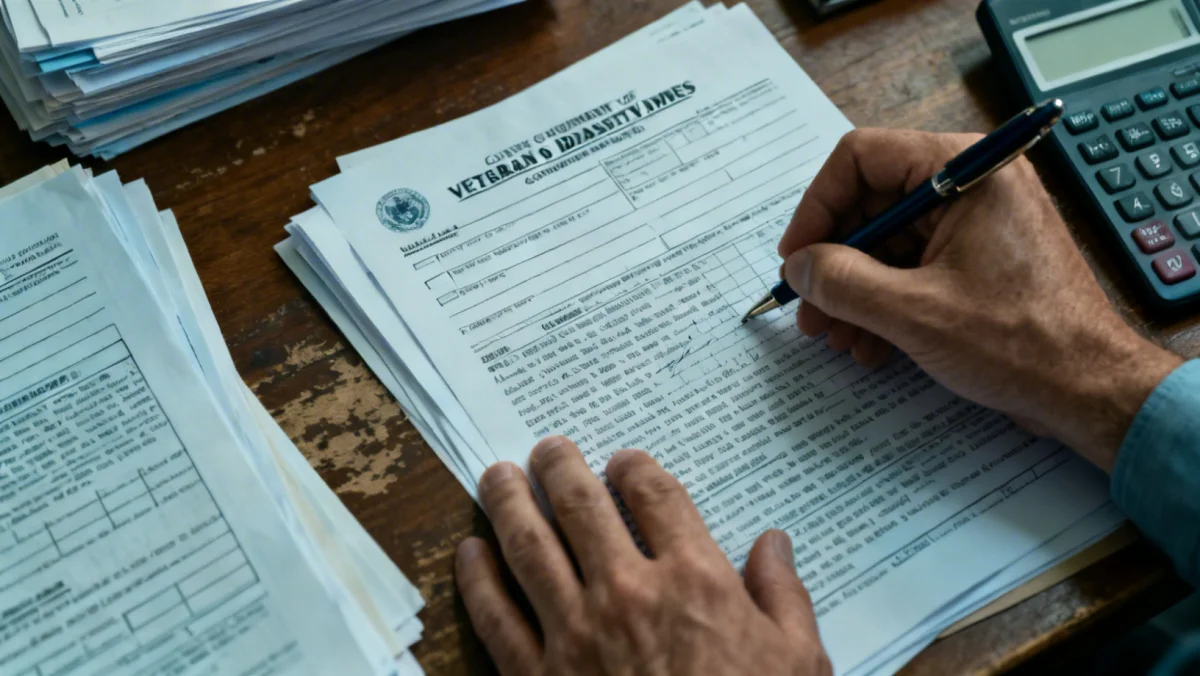
After submission, the VA will review your claim and may request additional information or schedule Compensation & Pension (C&P) exams. These exams are critical, so prepare for them by reviewing your claim and clearly articulating your symptoms to the examiner.
Understanding VA Disability Ratings and How They Affect Compensation
VA disability ratings are determined by the severity of your service-connected conditions and their impact on your earning capacity. These ratings, expressed as percentages, directly correlate with your monthly compensation. A thorough understanding of how these ratings are calculated is essential for advocating for the highest possible percentage.
The VA uses a Schedule for Rating Disabilities, which outlines specific criteria for various conditions. Each condition is assigned a diagnostic code, and the severity of symptoms determines the percentage. It’s a complex system, but knowing its basics empowers you to assess if your rating accurately reflects your condition.
Combined Ratings and Special Monthly Compensation
If you have multiple service-connected disabilities, the VA combines these ratings using a specific formula, not simple addition. This combined rating can significantly increase your overall compensation. Additionally, certain severe conditions or combinations of conditions may qualify you for Special Monthly Compensation (SMC), which is an additional payment above the standard disability rates.
- Understanding the Combined Rating Table: Familiarize yourself with how multiple ratings are combined, as this is a common area of confusion for veterans.
- Exploring SMC Eligibility: Research specific criteria for SMC, which can apply to conditions like loss of limb, blindness, or the need for aid and attendance.
- Impact on Dependents: Higher disability ratings also often lead to increased benefits for eligible dependents, including spouses and children.
Ensuring that all your service-connected conditions are properly rated and combined is a critical step in maximizing your benefits. Do not overlook conditions that might seem minor individually but contribute to a higher overall rating.
Appealing Unfavorable Decisions and Seeking Higher Ratings
Receiving an unfavorable decision from the VA is not the end of the road. Veterans have the right to appeal, and understanding the appeal process is vital for those seeking to overturn denials or increase their disability ratings. The appeals modernization act has introduced a more streamlined system, but it still requires careful navigation.
Many veterans give up after an initial denial, unaware that a significant percentage of appeals are successful when handled correctly. Persistence and the presentation of new, relevant evidence are key to a favorable outcome.
The Appeals Modernization Act (AMA) Pathways
The AMA provides three pathways for appealing a VA decision:
- Supplemental Claim: This pathway allows you to submit new and relevant evidence to support your claim. It’s often the best starting point if you have additional medical records or statements.
- Higher-Level Review: If you believe the VA made an error based on the evidence already submitted, you can request a higher-level review by a more experienced adjudicator. No new evidence can be submitted here.
- Board of Veterans’ Appeals (BVA): For further review, you can appeal directly to the BVA. This pathway offers options for a direct review, evidence submission, or a hearing with a Veterans Law Judge.
Choosing the right appeal pathway depends on your specific situation and the nature of your disagreement with the VA’s decision. Consulting with an accredited representative can help you determine the most effective route.
Resources and Support for Veterans in 2026
Veterans do not have to navigate the complex world of disability benefits alone. A wealth of resources and support systems are available to assist with every step of the process. Leveraging these resources can significantly improve your chances of a successful claim and help you understand your veterans disability benefits in 2026.
From accredited service officers to legal aid, these organizations provide invaluable guidance, ensuring veterans are well-informed and properly represented. Seeking help from experienced professionals can alleviate much of the stress associated with the claims process.
Accredited Representatives and Legal Assistance
Various organizations and individuals are accredited by the VA to assist veterans with their claims. These include Veterans Service Organizations (VSOs) like the American Legion, Disabled American Veterans (DAV), and Veterans of Foreign Wars (VFW), as well as private attorneys and agents.
- Veterans Service Organizations (VSOs): VSOs offer free assistance, helping veterans prepare and submit claims, gather evidence, and represent them in appeals.
- Accredited Attorneys and Agents: For more complex cases or appeals, hiring an accredited attorney or agent can provide specialized legal expertise, though they typically charge fees.
- VA Regional Offices: VA staff at regional offices can provide general information and assistance with forms and inquiries.
Utilizing these resources can be a game-changer, providing expert advice and representation that can significantly impact the outcome of your claim. Do not hesitate to reach out for help; it is available and designed to support you.
| Key Aspect | Brief Description |
|---|---|
| Policy Updates 2026 | Anticipate legislative and regulatory changes, including expanded presumptive conditions and optimized digital claims processing. |
| Compensation Maximization | Focus on comprehensive medical evidence, accurate rating understanding, and effective appeal strategies to increase benefits. |
| Claims & Appeals | Navigate initial applications, C&P exams, and the Appeals Modernization Act pathways (Supplemental Claim, Higher-Level, BVA). |
| Available Resources | Utilize VSOs, accredited attorneys, and VA regional offices for expert guidance and support throughout the process. |
Frequently Asked Questions About Veterans’ Disability Benefits in 2026
Major changes for 2026 include potential expansions of presumptive service-connected conditions, particularly for toxic exposures. The VA is also expected to further optimize its digital claims processing, making online submissions and tracking more efficient for veterans. These policy shifts aim to streamline the benefits application and appeal processes.
To increase your compensation, focus on gathering comprehensive medical evidence, including private records and nexus letters linking your conditions to service. Ensure all service-connected conditions are properly documented and rated. Effectively navigating the appeals process, especially through the Supplemental Claim pathway with new evidence, can also lead to higher ratings.
Compensation & Pension (C&P) exams remain a critical component. These exams are conducted by VA-appointed medical professionals to assess your service-connected conditions. It is crucial to be prepared, clearly articulate all your symptoms, and explain how they impact your daily life and ability to work, as the examiner’s report heavily influences your disability rating.
While specific new conditions are always subject to ongoing legislation and research, 2026 is anticipated to see further additions to the list of presumptive service-connected conditions. These typically relate to environmental exposures, such as those experienced by veterans deployed to specific regions or involved in certain activities, simplifying the burden of proof for affected individuals.
Veterans can find assistance through various accredited resources. Veterans Service Organizations (VSOs) like the American Legion, DAV, and VFW offer free support. For complex cases, accredited attorneys or agents can provide specialized legal guidance. VA regional offices also offer general information and help with forms. Leveraging these resources is highly recommended.
Conclusion
Navigating the landscape of veterans disability benefits in 2026 requires diligence, awareness of evolving VA policies, and a strategic approach to claims and appeals. By understanding the anticipated changes, meticulously gathering medical evidence, and leveraging available resources, veterans can significantly improve their chances of receiving the maximum compensation they deserve. The journey may be complex, but with the right information and support, increasing your benefits by up to 15% is a tangible goal, ensuring a more secure future for you and your family.
Autor