Veterans Affairs: New Benefits & Services for US Vets in 2026
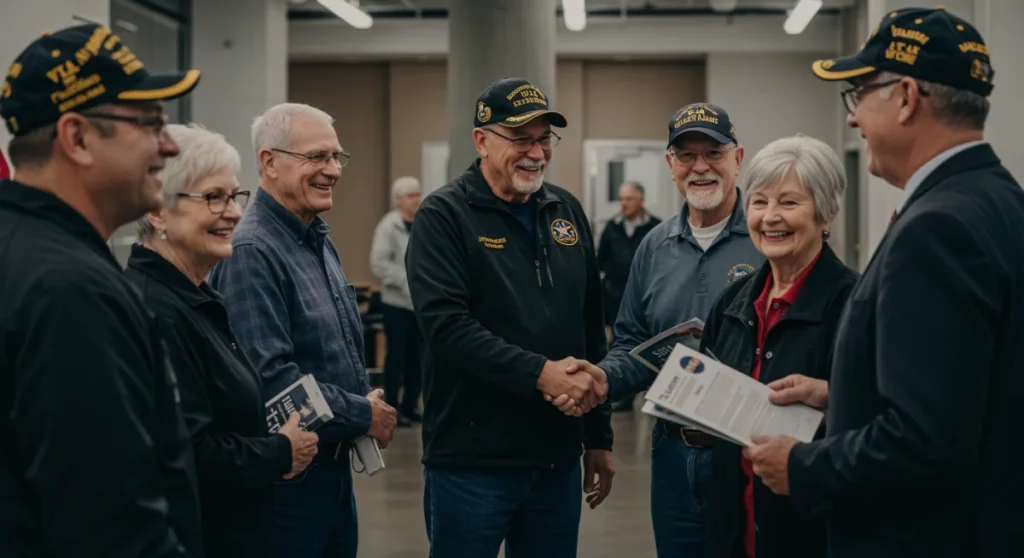
The Department of Veterans Affairs is set to introduce comprehensive new benefits and services in 2026, directly impacting over 2 million United States veterans with expanded support across various critical areas of their lives.
The landscape of support for those who have bravely served the United States is constantly evolving. In a landmark development, the Department of Veterans Affairs (VA) is poised to unveil a comprehensive suite of new benefits and services in 2026, a move anticipated to significantly enhance the lives of over 2 million US veterans. This initiative represents a profound commitment to recognizing their sacrifices and ensuring their well-being in civilian life.
Understanding the Scope of New VA Initiatives
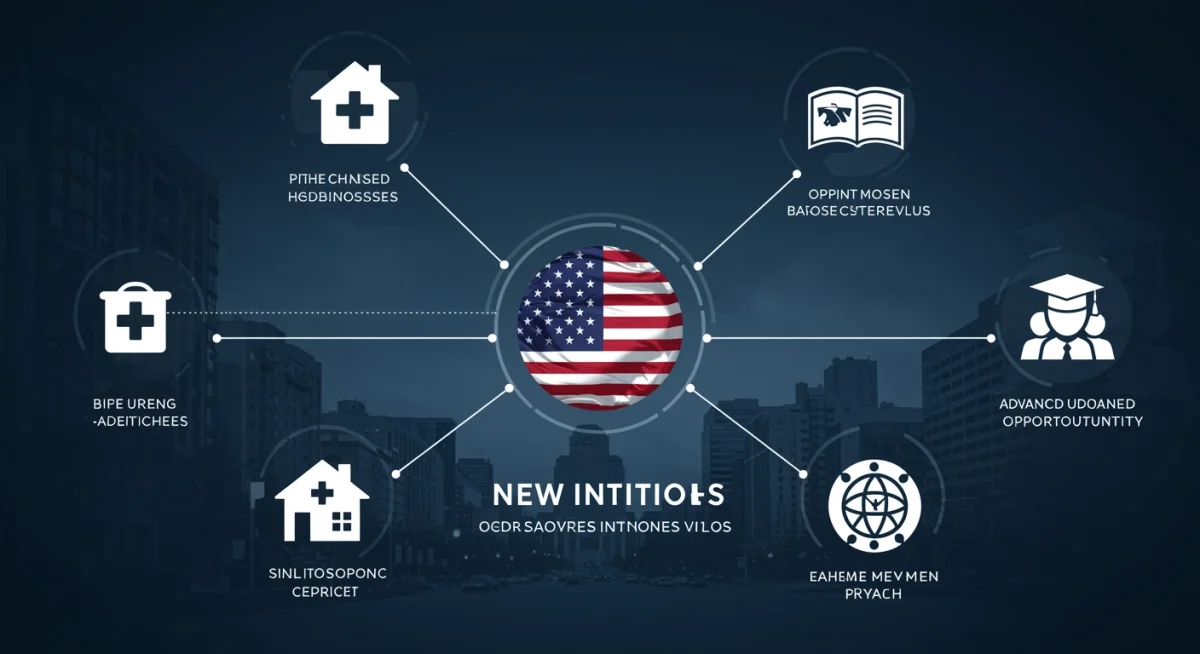
The upcoming changes in Veterans Affairs benefits and services for 2026 are not merely incremental adjustments; they represent a strategic overhaul designed to address the multifaceted needs of the veteran community comprehensively. This extensive package targets several critical areas, from healthcare access to economic stability, aiming to create a more robust support system for those who have served.
The vision behind these initiatives is to ensure that every veteran has the resources they need to thrive post-service. This includes not only direct financial aid but also preventative care, mental health support, and opportunities for personal and professional growth. The VA has conducted extensive research and consultations with veteran organizations to identify the most pressing needs and develop responsive solutions.
Enhanced Healthcare Access and Services
One of the cornerstones of the 2026 rollout is a significant expansion of healthcare provisions. The VA aims to reduce wait times, increase the availability of specialized treatments, and integrate more holistic approaches to veteran health. This includes a particular focus on chronic conditions prevalent among veterans, as well as innovative therapies.
- Expanded telehealth services to reach rural and underserved areas.
- Increased funding for mental health and substance abuse treatment programs.
- New partnerships with private healthcare providers to broaden treatment options.
- Preventative care campaigns focusing on long-term wellness and early detection.
These healthcare enhancements are projected to make a tangible difference in the daily lives of countless veterans, providing them with timely and effective medical attention. The goal is to move towards a proactive healthcare model, rather than a reactive one, ensuring veterans maintain optimal health throughout their lives.
Revolutionizing Mental Health and Wellness Support
Mental health remains a paramount concern within the veteran community. The new VA initiatives in 2026 place an unprecedented emphasis on mental health and wellness, moving beyond traditional therapy to include a wider array of supportive services. This holistic approach acknowledges the complex interplay between mental, emotional, and physical well-being.
The VA recognizes that addressing mental health requires a multi-pronged strategy. This includes not only clinical interventions but also community-based programs, peer support networks, and accessible resources that veterans can easily integrate into their daily lives. The aim is to destigmatize mental health challenges and encourage open dialogue.
Innovative Mental Health Programs
New programs are being introduced to offer more personalized and accessible mental health care. These include culturally competent care tailored to diverse veteran populations and services specifically designed for different combat and service experiences. The integration of technology will also play a crucial role in expanding reach.
- Digital mental health platforms for remote access and self-management.
- Peer support and mentorship programs to foster community and shared experiences.
- Trauma-informed yoga and mindfulness practices as complementary therapies.
- Expanded access to specialized treatment for PTSD, anxiety, and depression.
By offering a broader spectrum of mental health services, the VA hopes to empower veterans to seek help proactively and find the support systems that best suit their individual needs. This shift is crucial for long-term recovery and improved quality of life.
Strengthening Housing and Homelessness Prevention
Ensuring stable housing for veterans is a fundamental pillar of the 2026 benefit enhancements. The VA is intensifying its efforts to combat veteran homelessness and provide secure, affordable living situations. This involves a combination of direct assistance, partnership development, and innovative housing solutions.
The challenge of veteran homelessness is complex, often intertwined with issues such as unemployment, mental health struggles, and lack of social support. The new initiatives are designed to address these root causes while providing immediate assistance. Collaboration with local governments and non-profit organizations is central to this strategy.
Comprehensive Housing Assistance Programs
New programs will focus on rapid re-housing, permanent supportive housing, and rental assistance, alongside initiatives to educate veterans on their housing rights and available resources. There will also be a push for more accessible housing for veterans with disabilities.
- Increased funding for the HUD-VASH voucher program.
- Development of new transitional housing facilities with integrated support services.
- Financial literacy and housing counseling for at-risk veterans.
- Partnerships with landlords to increase veteran-friendly rental opportunities.
These comprehensive housing initiatives aim to not only provide a roof over veterans’ heads but also to offer the foundational stability needed for them to rebuild their lives and reintegrate successfully into society. The commitment to ending veteran homelessness is a moral imperative guiding these new benefits.
Boosting Education and Employment Opportunities
For many veterans, the transition to civilian life involves pursuing new educational paths or finding meaningful employment. The 2026 VA benefits will significantly bolster programs aimed at enhancing veterans’ educational and employment prospects, ensuring they have the tools and support to achieve their career goals.
The VA understands that a successful career or educational pursuit is vital for a veteran’s sense of purpose and financial independence. These new initiatives are tailored to bridge the gap between military skills and civilian requirements, providing both foundational knowledge and advanced training. The focus is on long-term career viability and growth.
Expanded Educational and Career Resources
New initiatives include enhanced GI Bill benefits, vocational training programs in high-demand fields, and stronger partnerships with employers committed to hiring veterans. Specialized career counseling and mentorship will also be more widely available to guide veterans through their post-service journey.
- Increased tuition assistance and living stipends for eligible veterans.
- Certification programs for in-demand industries like tech, healthcare, and trades.
- Enhanced job placement services and interview coaching.
- Entrepreneurship training and small business support for veteran-owned businesses.
By investing in education and employment, the VA is empowering veterans to leverage their unique skills and experiences, contributing significantly to the civilian workforce and economy. These programs are designed to provide not just jobs, but fulfilling careers.
Simplifying Access and Navigating the VA System
A persistent challenge for veterans has been the complexity of navigating the VA system to access their benefits. The 2026 initiatives include significant efforts to streamline processes, improve user experience, and make information more readily available, ensuring that veterans can easily connect with the support they need.
The goal is to create a more intuitive and responsive system, reducing frustration and ensuring that veterans spend less time on paperwork and more time receiving care and support. This involves leveraging technology and improving human interaction points across all VA services. Transparency and ease of access are key objectives.
Digital Transformation and Outreach
The VA is investing in new digital platforms, including a revamped website and mobile application, to centralize information and services. There will also be increased outreach efforts to inform veterans about their eligibility and how to apply for new and existing benefits.
- A unified online portal for all VA benefits applications and status tracking.
- Personalized digital assistants to guide veterans through the application process.
- Community outreach programs in collaboration with veteran service organizations.
- Training for VA staff to provide more empathetic and efficient support.
Simplifying access is critical to ensuring that the new benefits reach the 2 million veterans they are intended to serve. By making the system more user-friendly, the VA aims to remove barriers and build trust within the veteran community.
The Economic Impact and Future Outlook for Veterans
The introduction of these new veterans benefits 2026 will have a substantial economic impact, not only on the individual veterans and their families but also on the broader communities they inhabit. By providing enhanced support in areas like healthcare, housing, and employment, the VA is contributing to a more stable and prosperous future for veterans across the nation.
Economic stability for veterans translates into reduced reliance on public assistance, increased participation in the workforce, and greater consumer spending. This ripple effect benefits local economies and strengthens the national fabric. The investment in veterans is an investment in the country’s future.
Long-Term Benefits and Community Integration
Beyond immediate financial relief, these benefits foster long-term self-sufficiency and integration into civilian life. The improved health outcomes, stable housing, and career opportunities will empower veterans to become active, contributing members of their communities, further enriching society.
- Reduced healthcare costs for veterans and the healthcare system overall due to preventative care.
- Increased property ownership rates among veterans, contributing to local tax bases.
- Higher rates of veteran entrepreneurship and job creation.
- Enhanced community engagement and leadership from a healthier, more stable veteran population.
The future outlook for US veterans in 2026 and beyond appears brighter with these comprehensive initiatives. The VA’s commitment reflects an understanding that supporting veterans is not just a duty, but a powerful catalyst for national progress and well-being.
| Key Initiative | Brief Description |
|---|---|
| Enhanced Healthcare | Expanded access to specialized care, telehealth, and mental health services. |
| Housing Support | Increased funding for homelessness prevention and affordable housing programs. |
| Education & Employment | Boosted GI Bill benefits, vocational training, and job placement assistance. |
| Simplified Access | Streamlined digital platforms and improved outreach for easier benefit navigation. |
Frequently Asked Questions About 2026 VA Benefits
Eligibility for the new VA benefits in 2026 will generally follow existing VA criteria, primarily based on service history, discharge status, and specific needs. The initiatives are designed to impact over 2 million US veterans, covering a wide range of service periods and conditions.
The new healthcare benefits aim to improve access through expanded telehealth options, increased funding for mental health services, and new partnerships with private healthcare providers. The goal is to reduce wait times and offer more specialized and holistic treatment options for veterans nationwide.
Specific housing programs include increased funding for HUD-VASH vouchers, development of new transitional housing with support services, and enhanced financial literacy and housing counseling. These initiatives target homelessness prevention and aim to provide stable, affordable living for veterans.
Yes, the 2026 changes include enhancements to GI Bill benefits, such as increased tuition assistance and living stipends. Additionally, there will be expanded vocational training programs in high-demand fields and stronger employer partnerships to support veteran career development and educational pursuits.
Veterans can learn more by monitoring official VA announcements, visiting the revamped VA website and mobile application launching in 2026, and engaging with local veteran service organizations. Increased outreach efforts will also be conducted to ensure comprehensive information dissemination.
Conclusion
The unveiling of the new veterans benefits 2026 marks a pivotal moment for the United States, underscoring a renewed national commitment to its veteran community. These comprehensive initiatives, designed to touch the lives of over 2 million individuals, promise not only to address immediate needs but also to lay a foundation for sustained well-being and prosperity. From accessible healthcare and robust mental health support to stable housing and expanded educational and employment opportunities, the VA’s strategic enhancements reflect a deep understanding of the challenges veterans face. By simplifying access to these vital services, the goal is to empower those who have served to thrive in every aspect of civilian life, reinforcing their invaluable contributions to society.
Autor