2026 Federal Budget: Impact on Your Personal Finances
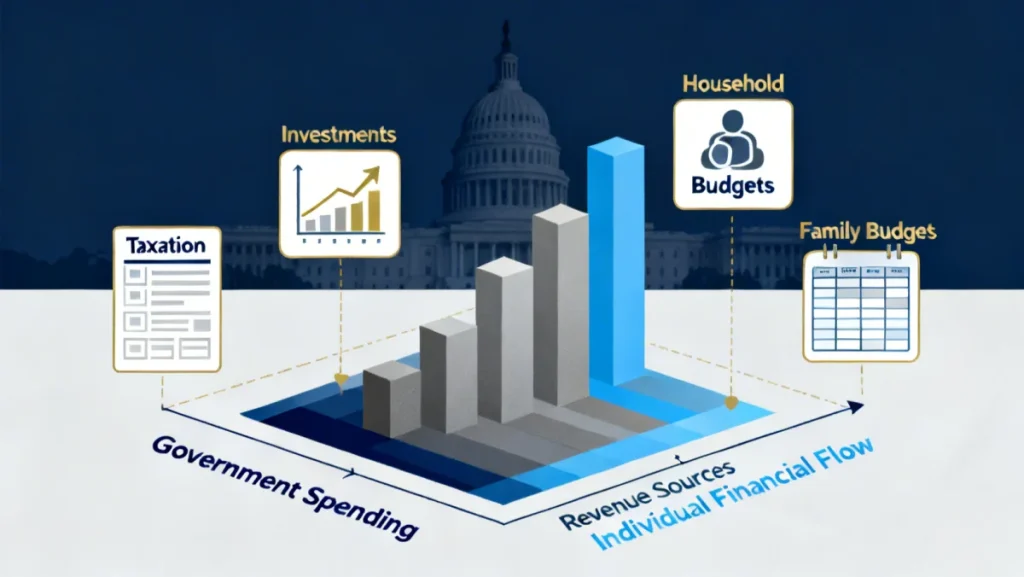
The 2026 Federal Budget directly influences personal finances by shaping taxation, interest rates, and economic growth, requiring individuals to adapt their financial strategies.
Have you ever wondered how decisions made in Washington D.C. trickle down to your household budget? The 2026 Federal Budget Impacts every aspect of your financial life, from the taxes you pay to the cost of borrowing money and even your job security. Understanding these complex implications is not just for economists; it’s crucial for every American looking to safeguard and grow their personal finances. Let’s explore how government spending and fiscal policies in 2026 are set to influence your economic future.
Understanding the 2026 Federal Budget Landscape
The federal budget is more than just a collection of numbers; it’s a blueprint for the nation’s economic priorities. For 2026, we anticipate significant shifts in allocation that will resonate across various sectors. These shifts are often driven by current economic conditions, societal needs, and political agendas, making the budget a dynamic document with far-reaching consequences.
Examining the budget involves looking at both revenue generation, primarily through taxation, and expenditure, which covers everything from defense to social programs. The balance, or imbalance, between these two determines the national debt and future economic stability. As we approach 2026, projections indicate areas of increased spending and potential revenue adjustments that warrant close attention from individuals and businesses alike.
Key Budgetary Components
The federal budget comprises several critical components that collectively dictate its overall impact. Understanding these elements is essential for grasping the bigger picture of how government finances affect you.
- Mandatory Spending: This includes programs like Social Security, Medicare, and Medicaid, which are established by permanent law. Changes here require legislative action to alter eligibility rules or benefit levels.
- Discretionary Spending: Funds allocated through annual appropriations acts, covering areas such as defense, education, transportation, and scientific research. These are often subject to intense political debate.
- Interest on National Debt: A growing portion of the budget is dedicated to paying interest on the accumulated national debt. Rising interest rates can significantly increase this burden, potentially crowding out other essential spending.
The 2026 budget is expected to continue grappling with these categories, with potential pressures from an aging population on mandatory spending and ongoing geopolitical considerations influencing discretionary defense outlays. These factors collectively shape the economic environment in which individuals manage their finances.
Direct Impacts on Taxation and Income
One of the most immediate and tangible ways the federal budget affects individuals is through tax policy. The 2026 budget could introduce new tax laws or modify existing ones, directly influencing your take-home pay, investment returns, and overall financial planning. These changes can range from adjustments to income tax brackets to alterations in capital gains taxes and deductions.
Understanding these potential shifts is crucial for proactive financial management. For instance, an increase in certain tax rates might necessitate a review of your investment portfolio or retirement contributions. Conversely, new tax credits could offer opportunities for savings or incentivize specific behaviors, such as energy-efficient home improvements.
Potential Tax Policy Changes
Speculation around the 2026 federal budget often includes discussions about significant tax reforms. These reforms aim to address national revenue needs, stimulate economic growth, or redistribute wealth. For individuals, this means staying informed about proposed changes.
- Income Tax Brackets: There could be adjustments to the various income tax brackets, potentially moving individuals into higher or lower marginal rates, thus affecting their disposable income.
- Capital Gains Tax: Changes to how investment profits are taxed can have a substantial impact on investors, particularly those with long-term holdings or frequent trading activities.
- Deductions and Credits: The budget may introduce new tax deductions or credits, or eliminate existing ones, influencing everything from mortgage interest deductions to child tax credits.
These policy shifts require individuals to re-evaluate their financial strategies, from adjusting their W-4 forms to considering tax-advantaged investment vehicles. The goal is always to minimize tax liabilities legally and maximize net income, aligning with the new budgetary landscape.
Government Spending and Economic Growth
Government spending is a powerful lever for economic growth, and the 2026 federal budget will allocate funds to various sectors with the aim of stimulating the economy. Investments in infrastructure, research and development, and education can create jobs, foster innovation, and increase productivity, ultimately benefiting individuals through higher wages and more opportunities.
However, excessive government spending without corresponding revenue can lead to increased national debt and potentially inflationary pressures. It’s a delicate balance where strategic investment can yield significant returns, while inefficient spending can create long-term economic challenges. The 2026 budget will highlight the administration’s chosen path.
Sector-Specific Investments
Different sectors receive varying levels of funding, and these allocations have ripple effects throughout the economy. Understanding where the government plans to invest can provide insights into future job markets and economic opportunities.
- Infrastructure Projects: Funding for roads, bridges, public transit, and broadband internet can create numerous construction jobs and improve efficiency, reducing costs for businesses and commuters.
- Technology and Research: Investments in areas like AI, renewable energy, and biotechnology can spur innovation, leading to new industries and high-paying jobs.
- Education and Workforce Development: Enhanced funding for schools, vocational training, and higher education can improve human capital, leading to a more skilled workforce and increased earning potential for individuals.
These targeted investments not only create direct economic activity but also cultivate an environment conducive to long-term growth. Individuals can benefit by aligning their career paths or entrepreneurial ventures with these growth sectors, leveraging government initiatives for personal advancement.
Inflationary Pressures and Interest Rates
The scale of the 2026 federal budget, particularly its spending and borrowing levels, can exert significant influence on inflation and interest rates. A large budget deficit, where government spending outpaces revenue, often requires the government to borrow more, which can increase demand for credit and push up interest rates. This has direct implications for consumers and businesses alike.
Higher interest rates mean that borrowing money for mortgages, car loans, and credit card debt becomes more expensive. For savers, it could mean higher returns on savings accounts and bonds, but for those with variable-rate debt, expenses could rise considerably. Inflation, on the other hand, erodes purchasing power, making everyday goods and services more costly.
Navigating Economic Headwinds
Individuals need to be prepared for potential shifts in inflation and interest rates as a result of the 2026 federal budget. Strategic financial planning can help mitigate negative impacts and even capitalize on new opportunities.
- Debt Management: With potential interest rate hikes, prioritizing the payoff of high-interest debt becomes even more critical. Consolidating debts or refinancing at fixed rates could be prudent.
- Investment Strategy: Inflation-hedging assets like real estate, commodities, or Treasury Inflation-Protected Securities (TIPS) might become more attractive. Diversifying portfolios to withstand market volatility is also key.
- Savings Rates: While higher interest rates can increase the cost of borrowing, they can also boost returns on savings accounts and certificates of deposit (CDs), making it a good time to review your savings strategy.
Staying informed about the Federal Reserve’s monetary policy decisions, which often react to fiscal policy, is also vital. These interactions between fiscal and monetary policy will significantly shape the economic environment of 2026.
Impact on Social Programs and Benefits
The federal budget is the primary funding source for a wide array of social programs and benefits that millions of Americans rely on. The 2026 budget will inevitably address these programs, potentially leading to adjustments in funding, eligibility criteria, or benefit levels. This includes vital programs like Social Security, Medicare, Medicaid, and various welfare initiatives.
Changes in these areas can have profound personal financial implications, especially for retirees, low-income families, and individuals with disabilities. A reduction in benefits could necessitate increased personal savings or alternative support systems, while expansions could offer new levels of financial security.
Key Social Program Considerations
Discussions around the federal budget often involve intense debates about the sustainability and scope of social programs. For 2026, several factors could influence decisions regarding these essential safety nets.
- Demographic Shifts: An aging population places increasing pressure on programs like Social Security and Medicare, potentially leading to discussions about raising the retirement age or adjusting benefit formulas.
- Healthcare Funding: The budget will detail allocations for Medicare and Medicaid, impacting access to healthcare services and out-of-pocket costs for beneficiaries.
- Poverty Reduction Initiatives: Funding for programs addressing food assistance, housing support, and unemployment benefits will directly affect vulnerable populations and the broader economy.
Individuals currently receiving or anticipating these benefits should closely monitor budgetary discussions. Proactive planning, such as exploring supplementary insurance or increasing personal savings, can help mitigate potential adverse changes and ensure continued financial well-being.
Investment Climate and Market Reactions
The 2026 federal budget implications extend significantly into the investment climate, influencing stock market performance, bond yields, and investor confidence. Major budgetary decisions can signal the government’s economic priorities, affecting corporate earnings, consumer spending, and the overall attractiveness of various asset classes.
For investors, understanding these potential market reactions is critical for making informed decisions. For example, increased spending in certain sectors might boost related industries, while tax changes could impact corporate profitability or the appeal of specific investment vehicles. Market sentiment often reacts swiftly to budgetary news, making preparedness key.
Strategic Investment Adjustments
Investors should consider how the 2026 federal budget might necessitate adjustments to their portfolios. A dynamic approach is often required to navigate the evolving economic landscape.
- Sector-Specific Opportunities: If the budget prioritizes green energy or technology, companies in these sectors might see increased growth and investment.
- Bond Market Volatility: Government borrowing needs can influence bond yields. If the government issues more bonds, yields might rise, affecting existing bond portfolios.
- International Markets: The U.S. federal budget can also influence global economic conditions, impacting international investments and currency exchange rates.
Diversification remains a cornerstone of sound investment strategy, especially during periods of fiscal uncertainty. Consulting with a financial advisor to tailor investment decisions to the specific impacts of the 2026 budget can help optimize returns and manage risk effectively.
Personal Financial Planning in a Changing Landscape
Given the multifaceted impacts of the 2026 federal budget, personal financial planning becomes more crucial than ever. It’s not just about reacting to changes but proactively strategizing to optimize your financial health. This involves a holistic review of your income, expenses, savings, investments, and debt management in light of anticipated government policies.
The goal is to build resilience and flexibility into your financial plan, allowing you to adapt to new tax structures, interest rate environments, and economic shifts. A well-constructed financial plan can turn potential challenges into opportunities for growth and stability.
Steps for Proactive Financial Management
Taking concrete steps now can help you prepare for the financial landscape shaped by the 2026 federal budget. Consider these areas for review and adjustment:
- Budget Review: Re-evaluate your household budget to identify areas for savings or increased investment, especially if tax changes or inflation affect your disposable income.
- Emergency Fund: Ensure you have a robust emergency fund to cover several months of living expenses, providing a buffer against unexpected economic shifts or job market volatility.
- Retirement Planning: Assess your retirement savings strategy in light of potential changes to Social Security, Medicare, and tax-advantaged retirement accounts. Consider diversifying retirement vehicles.
- Professional Advice: Engage with financial advisors, tax professionals, or estate planners to get personalized guidance on navigating the specific implications of the 2026 budget for your unique situation.
Ultimately, staying informed and adopting a proactive stance in your financial planning will be your best defense and offense against the evolving economic environment. The 2026 budget is an opportunity to refine your financial strategies and secure your future.
| Key Impact Area | Brief Description |
|---|---|
| Taxation & Income | Potential changes to income tax brackets, capital gains, and deductions affecting disposable income. |
| Economic Growth | Government investments in infrastructure, R&D, and education creating jobs and opportunities. |
| Inflation & Interest Rates | Budget size and borrowing affecting inflation and the cost of borrowing for consumers. |
| Social Programs | Adjustments to funding or eligibility for Social Security, Medicare, and other benefit programs. |
Frequently Asked Questions About the 2026 Federal Budget
The 2026 Federal Budget may introduce changes to income tax brackets, capital gains taxes, and available deductions. These adjustments could directly impact your taxable income and the amount of take-home pay you receive. Staying informed about specific legislative proposals is key to understanding your personal tax implications.
Increased government borrowing to finance the 2026 Federal Budget could lead to higher demand for credit, potentially pushing up interest rates. This would make borrowing for mortgages, car loans, and credit cards more expensive, while also offering potentially higher returns on savings accounts and bonds.
Yes, strategic government investments outlined in the 2026 Federal Budget, particularly in infrastructure, technology, and education, are designed to stimulate economic growth and create jobs. These investments can lead to opportunities in construction, research, and various skilled trades, benefiting the overall workforce.
To prepare, review your current budget, ensure your emergency fund is robust, and consider diversifying investments to hedge against inflation. Stay updated on tax law changes and consult with a financial advisor to tailor your strategy to the specific economic environment created by the 2026 Federal Budget.
The 2026 Federal Budget will address funding for Social Security and Medicare, potentially influencing eligibility, benefit levels, or the sustainability of these programs. Demographic shifts and healthcare costs often drive these discussions, so monitoring legislative proposals is crucial for current and future beneficiaries.
Conclusion
The 2026 Federal Budget is far more than a governmental accounting exercise; it is a critical determinant of the economic landscape that will directly shape the financial realities of every American. From the taxes you pay and the cost of your debt to the opportunities available in the job market and the stability of essential social programs, government spending and revenue decisions ripple through every aspect of personal finance. Proactive engagement with these budgetary implications, through informed planning and strategic adjustments, is not merely prudent but essential. By understanding the potential shifts in taxation, interest rates, economic growth sectors, and social benefits, individuals can better position themselves to navigate challenges and capitalize on new opportunities, ensuring greater financial resilience and prosperity in the years to come.
Autor