Social Security Updates: 2026 Changes Impacting 70 Million Americans

Significant Social Security Updates: Upcoming Changes to Benefits and Eligibility in 2026 Affecting 70 Million Americans are on the horizon, promising a reevaluation of how millions receive and qualify for essential financial support.
For millions across the United States, Social Security represents a vital lifeline, providing financial stability in retirement, disability, and survivorship. As we approach 2026, significant Social Security Updates: Upcoming Changes to Benefits and Eligibility in 2026 Affecting 70 Million Americans are being finalized, poised to reshape the landscape of these crucial benefits. Understanding these impending modifications is not just important; it’s essential for proactive planning and securing your financial future.
Understanding the Impending Social Security Landscape
The Social Security Administration (SSA) continuously evaluates the program’s long-term solvency and adapts to demographic and economic shifts. The year 2026 marks a pivotal point, with several key adjustments anticipated to ensure the system’s sustainability for future generations. These changes are not arbitrary; they stem from complex actuarial projections and legislative considerations designed to balance the needs of beneficiaries with the program’s financial health.
The implications of these updates extend far beyond mere numbers; they touch the lives of retirees, disabled individuals, and surviving family members who rely on these payments. Being informed about these changes well in advance allows for necessary financial adjustments and informed decision-making.
The Rationale Behind the Changes
Several factors contribute to the need for Social Security reforms. An aging population, increasing life expectancies, and fluctuating birth rates all place pressure on the system, which operates on a pay-as-you-go basis. Economic trends, such as wage growth and inflation, also play a significant role in determining the program’s financial standing and the adjustments required.
- Demographic Shifts: The growing number of retirees relative to the working population creates a strain.
- Economic Volatility: Market fluctuations and wage stagnation can impact the trust funds.
- Legislative Mandates: Congress periodically reviews and proposes changes to maintain solvency.
These underlying reasons highlight the complexity of maintaining a robust Social Security system. The upcoming 2026 changes are a direct response to these dynamics, aiming to fortify the program for decades to come while minimizing adverse impacts on current and future beneficiaries. It’s a delicate balance that requires careful consideration of various stakeholder interests.
Ultimately, the goal of these adjustments is to ensure that Social Security remains a cornerstone of financial security for Americans. While changes can sometimes be unsettling, they are often a necessary step in adapting a large-scale program to evolving societal and economic realities. Staying abreast of these developments is crucial for anyone whose financial planning involves Social Security benefits.
Key Adjustments to Eligibility Criteria
One of the most significant areas of modification for 2026 concerns the eligibility criteria for Social Security benefits. These changes could impact when and how individuals qualify for retirement, disability, and survivor benefits. Understanding these new rules is paramount, especially for those nearing retirement age or those who might anticipate needing disability support.
The exact nature of these adjustments may vary, but common themes often include alterations to the full retirement age (FRA), the number of work credits required, and specific conditions for disability claims. These modifications are designed to align the program’s payouts with its incoming revenues more effectively.
Full Retirement Age Adjustments
The full retirement age (FRA) is a critical factor in determining the amount of Social Security benefits an individual receives. Historically, the FRA has seen gradual increases to account for longer life expectancies. For 2026, further adjustments to the FRA are anticipated, which could mean a slightly later age for receiving 100% of your earned benefits.
- Impact on Planning: Individuals may need to work longer or accept reduced benefits if retiring earlier.
- Phased Implementation: Changes to FRA are typically phased in over several years to minimize disruption.
- Early vs. Delayed Retirement: Decisions around early or delayed retirement will be even more critical.
These changes to the FRA necessitate a re-evaluation of personal retirement timelines. While retiring earlier than your FRA is still an option, it will continue to result in a permanent reduction of monthly benefits. Conversely, delaying retirement beyond your FRA could still yield increased benefits, making this decision even more strategic.
Beyond the FRA, other eligibility factors, such as the required number of work credits, may also see minor adjustments. The SSA requires a certain number of work credits, earned through employment, to qualify for benefits. While significant overhauls to this system are less common, incremental changes might occur to reflect evolving employment patterns and economic realities.
Projected Changes in Benefit Calculations
The method by which Social Security benefits are calculated is complex, involving factors such as an individual’s lifetime earnings, the average indexed monthly earnings (AIME), and various adjustment factors. For 2026, several key changes are projected that could directly influence the amount of monthly benefits approximately 70 million Americans receive.
These adjustments are often driven by economic indicators, such as inflation rates and average wage increases. While the core formula tends to remain stable, the inputs to that formula, and certain indexing methods, can be modified to reflect current economic conditions and ensure the program’s fiscal health.
Cost-of-Living Adjustments (COLAs)
One of the most anticipated annual announcements relates to the Cost-of-Living Adjustment (COLA). COLAs are designed to help Social Security benefits keep pace with inflation, ensuring beneficiaries maintain their purchasing power. For 2026, the COLA calculation methodology or the factors influencing it might see minor refinements.
- Inflationary Impact: Higher inflation generally leads to higher COLAs, though not always proportionally.
- Measuring Inflation: The Consumer Price Index for Urban Wage Earners and Clerical Workers (CPI-W) is the primary measure.
- Beneficiary Impact: COLAs directly affect the monthly benefit amount for all recipients.
While COLAs are a regular feature of Social Security, the economic environment leading up to 2026 could influence the size of these adjustments. Beneficiaries should monitor these announcements closely, as they directly impact their disposable income. Understanding how COLAs are determined helps in anticipating future benefit levels.
Furthermore, there may be subtle adjustments to the bend points in the benefit formula. Bend points are the dollar amounts of AIME at which the percentage of earnings used to calculate the primary insurance amount (PIA) changes. Modifying these bend points can shift benefits towards lower or higher earners, depending on the policy goals.
Impact on Different Beneficiary Groups
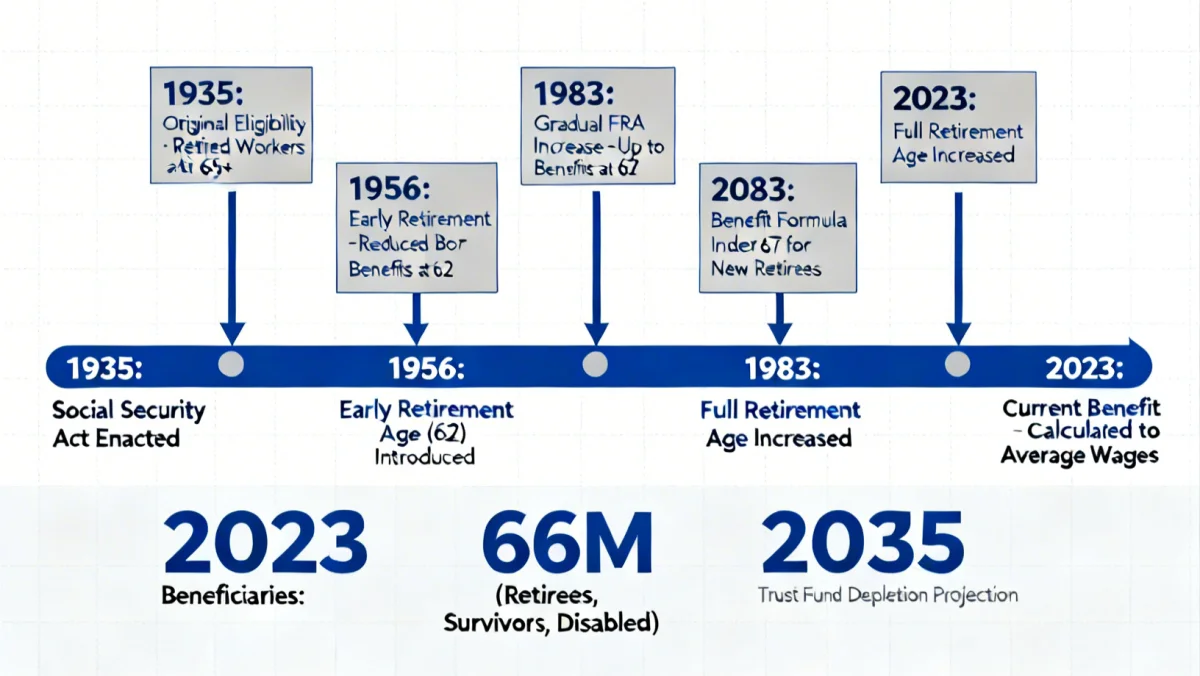
The upcoming Social Security 2026 Updates will not affect all 70 million Americans equally. The precise impact will vary significantly across different beneficiary groups, including current retirees, those nearing retirement, individuals with disabilities, and surviving family members. Understanding these differential effects is crucial for personalized financial planning.
For current retirees, changes might primarily manifest through COLA adjustments and potential slight shifts in how certain taxes apply. However, for those still in their working years or approaching retirement, the impact could be more profound, particularly concerning eligibility and future benefit levels.
Retirees and Future Retirees
Current retirees will likely experience the effects through modifications to their annual COLA. While the core benefit amount they receive is generally fixed, the annual adjustment is critical for maintaining their standard of living. Future retirees, however, face more immediate considerations regarding the full retirement age and potential alterations to the benefit calculation formula.
- Current Retirees: Focus on COLA and any changes to taxation of benefits.
- Near-Retirees: Re-evaluate retirement timing based on FRA adjustments.
- Younger Workers: Long-term planning needs to account for potential future reforms.
For individuals planning their retirement, the 2026 changes serve as a strong reminder to regularly review their financial strategies. Adjustments to savings, investment portfolios, and even career timelines might be necessary to align with the evolving Social Security landscape. Proactive engagement with these updates can mitigate potential negative impacts.
Disabled individuals and surviving spouses also need to pay close attention. While disability benefits and survivor benefits have distinct eligibility requirements and calculation methods, they are still part of the broader Social Security system and can be influenced by overarching program changes. Any shifts in the definition of disability or the rules for spousal benefits could significantly affect these vulnerable populations.
Navigating the Changes: Strategies for Beneficiaries
With the impending Social Security 2026 Updates, proactive planning becomes more critical than ever. For the 70 million Americans potentially affected, understanding how to navigate these changes effectively can make a substantial difference in their financial well-being. This involves reviewing personal financial situations, seeking professional advice, and staying informed.
The strategies one employs will depend heavily on their current age, work history, and financial goals. There is no one-size-fits-all solution, but certain universal principles of financial prudence and informed decision-making apply across the board.
Financial Planning and Professional Advice
One of the most effective strategies is to engage in comprehensive financial planning. This includes assessing your current savings, investments, and other income sources. Understanding how Social Security fits into your overall financial picture is the first step towards adapting to any changes.
- Review Your Statement: Regularly check your Social Security statement for earnings history and estimated benefits.
- Consult an Advisor: A financial planner specializing in retirement can offer tailored advice.
- Diversify Income Streams: Reduce reliance solely on Social Security by exploring other retirement income options.
Seeking advice from a qualified financial advisor can provide invaluable insights tailored to your specific circumstances. They can help you model different scenarios, such as delaying retirement or adjusting savings rates, to optimize your financial outcomes under the new rules. This expert guidance can clarify complex regulations and help you make informed decisions.
Another crucial strategy is to stay continuously informed. The Social Security Administration’s official website is an excellent resource for the latest updates and detailed explanations. Subscribing to newsletters or following reliable financial news sources can also help you keep abreast of any new developments as they unfold.
Long-Term Outlook and Program Sustainability
The Social Security Updates: Upcoming Changes to Benefits and Eligibility in 2026 Affecting 70 Million Americans are part of a broader, ongoing effort to ensure the program’s long-term sustainability. The challenges facing Social Security are not new, and the adjustments made in 2026 are likely to be one step in a series of modifications over the coming decades.
Understanding the long-term outlook helps beneficiaries and taxpayers alike appreciate the necessity of these changes. The goal is to maintain the program’s ability to provide essential benefits for generations to come, adapting to an ever-changing demographic and economic landscape.
Addressing the Funding Gap
The primary concern for Social Security’s long-term future is the projected funding gap. Without intervention, the program is expected to eventually be unable to pay 100% of promised benefits. The 2026 changes are intended to help alleviate some of this pressure, though they may not fully resolve the issue.
- Actuarial Projections: Annual reports highlight the financial health and future projections of the trust funds.
- Policy Debates: Discussions on solutions often include raising the retirement age, increasing payroll taxes, or adjusting benefit formulas.
- Intergenerational Equity: Ensuring fairness for both current retirees and future generations of workers.
The debate around Social Security’s long-term sustainability is complex and often politically charged. Various proposals for strengthening the program exist, each with its own set of advantages and disadvantages. The 2026 updates represent a consensus on certain adjustments deemed necessary and feasible at this time.
Looking ahead, it is clear that Social Security will continue to evolve. Beneficiaries should view the 2026 changes not as a final solution, but as part of an ongoing process to adapt a vital program to new realities. Personal financial resilience, coupled with an understanding of these systemic adjustments, will be key to navigating the future effectively.
| Key Aspect | Brief Description |
|---|---|
| Eligibility Criteria | Potential adjustments to Full Retirement Age (FRA) and work credit requirements, impacting when beneficiaries can claim full benefits. |
| Benefit Calculations | Refinements in Cost-of-Living Adjustments (COLAs) and possible changes to benefit formula bend points. |
| Impact on Groups | Varying effects on current retirees, near-retirees, and disabled individuals, requiring tailored financial planning. |
| Program Sustainability | Changes aim to address long-term funding gaps and ensure the solvency of Social Security for future generations. |
Frequently Asked Questions About 2026 Social Security Updates
The changes in 2026 are primarily driven by demographic shifts, such as an aging population and increased life expectancies, alongside economic factors like inflation and wage growth. These adjustments aim to ensure the long-term solvency and sustainability of the Social Security program for future beneficiaries.
Anticipated changes to the FRA in 2026 could involve a slight increase, meaning individuals might need to work longer to receive 100% of their earned benefits. These adjustments are typically phased in to minimize disruption and allow for better retirement planning among affected individuals.
Yes, your monthly benefits could be affected. Current beneficiaries will primarily see changes through Cost-of-Living Adjustments (COLAs), while future beneficiaries might experience shifts in their overall benefit amount due to modifications in eligibility rules and calculation formulas. It’s crucial to review your personal statement.
To prepare, review your Social Security statement, assess your retirement savings, and consider consulting a financial advisor. Understanding how these changes align with your financial goals will help you make informed decisions about work, savings, and retirement timing.
The most reliable source for official information is the Social Security Administration’s (SSA) website. They regularly publish updates, detailed reports, and fact sheets regarding program changes, actuarial projections, and beneficiary information. Stay informed through official channels to ensure accuracy.
Conclusion
The Social Security Updates: Upcoming Changes to Benefits and Eligibility in 2026 Affecting 70 Million Americans underscore the dynamic nature of this vital program. These adjustments, driven by demographic realities and economic necessities, are designed to fortify Social Security for future generations. While they necessitate a careful review of personal financial strategies for many, they also represent a proactive effort to maintain the program’s foundational role in American financial security. Staying informed and planning strategically will empower individuals to navigate these changes effectively and ensure their financial well-being.
Autor