2026 Shift: US Public Schools Embrace Personalized Learning
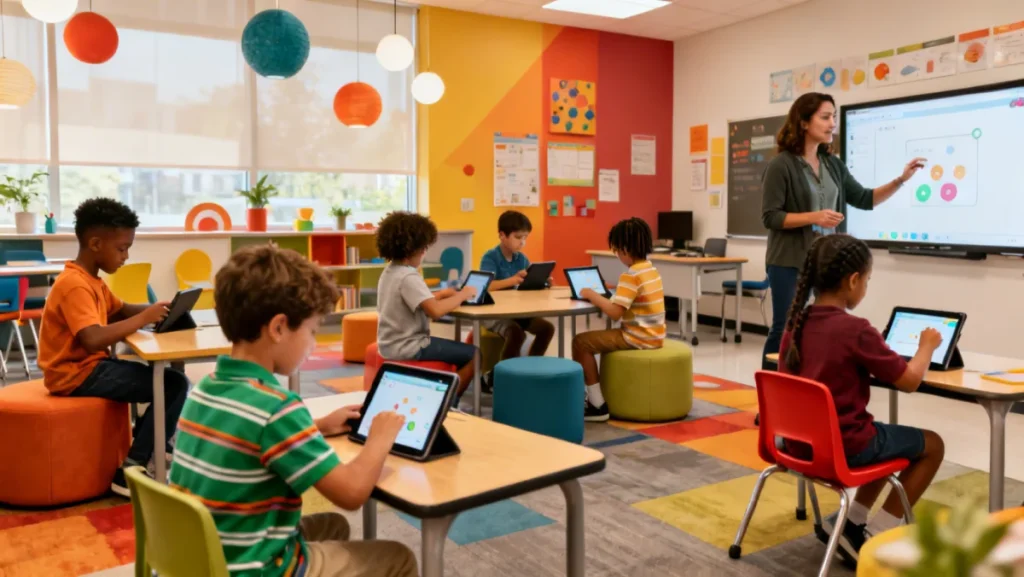
By 2026, US public schools are projected to see 25% of their students engaged in personalized learning, a significant shift promising tailored educational experiences and improved outcomes through adaptive curricula and student-centric approaches.
The landscape of education in the United States is undergoing a profound transformation, with a notable move towards student-centered methodologies. By 2026, a quarter of all students in US public schools are anticipated to be benefiting from personalized learning US initiatives, marking a pivotal moment in how we approach teaching and knowledge acquisition. This shift isn’t merely a trend; it represents a strategic evolution designed to address the diverse needs and learning styles of every child, moving beyond the traditional one-size-fits-all model.
Understanding Personalized Learning
Personalized learning is an educational approach that customizes learning for students, taking into account their individual strengths, needs, skills, and interests. The goal is to provide a tailored educational experience that optimizes academic growth and fosters deeper engagement.
This methodology contrasts sharply with traditional classroom settings where instruction often proceeds at a uniform pace. Instead, personalized learning leverages various tools and strategies, from adaptive software to flexible pacing and student-led projects, to create a dynamic and responsive educational environment. It’s about empowering students to take ownership of their learning journey.
Key Principles of Personalized Learning
At its core, personalized learning is built upon several foundational principles that guide its implementation and define its effectiveness. These principles ensure that the student remains at the center of the educational process, fostering an environment conducive to individual growth and success.
- Student Agency: Empowering students to make meaningful choices about their learning path, content, and pace.
- Competency-Based Progression: Allowing students to advance based on demonstrated mastery of skills and knowledge, rather than seat time.
- Flexible Learning Environments: Creating diverse settings and schedules that cater to different learning preferences and needs.
- Learner Profiles: Developing comprehensive understandings of each student’s strengths, weaknesses, interests, and learning styles.
By adhering to these principles, educators can design learning experiences that are not only effective but also deeply resonant with each student’s unique potential. The shift towards personalized learning is a recognition that every student’s journey is distinct and valuable.
Driving Forces Behind the 2026 Shift
Several significant factors are converging to accelerate the adoption of personalized learning in US public schools, setting the stage for the ambitious 25% target by 2026. These forces range from technological advancements to evolving pedagogical insights and societal demands for a more effective educational system.
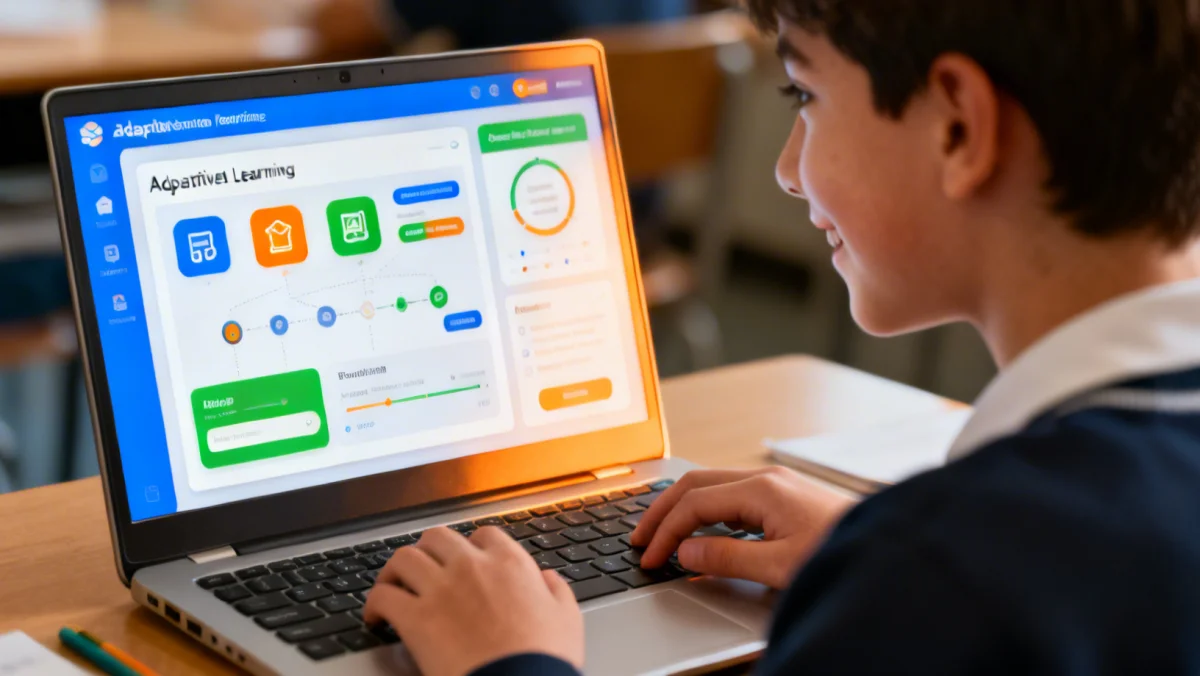
One primary driver is the rapid development of educational technology. Digital tools and platforms now offer unprecedented capabilities for adaptive instruction, data tracking, and content delivery, making personalized approaches more feasible and scalable than ever before. These technologies can assess student progress in real-time, identify gaps in understanding, and recommend targeted interventions or enrichment activities.
Technological Advancements and Data Analytics
The proliferation of sophisticated learning management systems (LMS) and artificial intelligence (AI)-powered educational software has been a game-changer. These tools can analyze vast amounts of student data, providing educators with actionable insights into individual learning patterns and preferences.
- Adaptive Learning Platforms: Software that adjusts content and difficulty based on student performance.
- Learning Analytics: Data-driven insights into student engagement, progress, and areas needing support.
- Digital Content Integration: Access to a wealth of online resources, from interactive simulations to virtual labs.
Beyond technology, there’s a growing recognition among educators and policymakers that traditional models often fail to adequately prepare students for a rapidly changing world. Personalized learning aims to cultivate critical thinking, problem-solving, and self-direction—skills deemed essential for future success.
Benefits for Students and Educators
The widespread adoption of personalized learning promises a multitude of benefits, not only for students but also for educators and the broader educational ecosystem. These advantages are central to the enthusiasm fueling the 2026 goal.
For students, personalized learning fosters deeper engagement and motivation. When learning is relevant to their interests and tailored to their pace, students are more likely to take an active role in their education. This often leads to improved academic outcomes, as concepts are mastered more thoroughly before moving on.
Enhanced Student Outcomes
Students in personalized learning environments frequently report higher levels of satisfaction and a greater sense of accomplishment. They develop crucial meta-cognitive skills, learning how to learn effectively, which benefits them throughout their academic and professional lives.
- Increased Engagement: Content aligned with student interests and learning styles.
- Improved Mastery: Pacing that allows for thorough understanding before progression.
- Greater Agency: Students take more responsibility for their educational journey.
- Skill Development: Cultivation of self-regulation, critical thinking, and problem-solving.
Educators also benefit significantly. Personalized learning allows teachers to shift from being mere disseminators of information to facilitators of learning. This frees up time for individualized coaching, small-group instruction, and addressing specific student needs, making their role more impactful and rewarding.
Challenges and Considerations for Implementation
While the vision for personalized learning is compelling, the path to achieving 25% adoption by 2026 is not without its challenges. Implementing such a significant shift across diverse US public school districts requires careful planning, substantial investment, and a commitment to overcoming various hurdles.
One of the most pressing concerns is equitable access to technology and resources. Personalized learning often relies heavily on digital tools, and disparities in internet access or device availability among students can exacerbate existing educational inequalities. Ensuring that all students, regardless of socioeconomic background, have the necessary resources is paramount.
Overcoming Implementation Obstacles
Beyond technology, there are significant pedagogical and logistical challenges. Teachers require extensive professional development to transition from traditional instructional methods to personalized approaches. This includes training on adaptive software, data interpretation, and new classroom management strategies.
- Teacher Training: Comprehensive professional development for new teaching methodologies.
- Infrastructure: Ensuring robust internet connectivity and adequate device availability for all students.
- Curriculum Development: Adapting existing curricula to support personalized pathways.
- Funding: Securing sufficient financial resources for technology, training, and ongoing support.
Another consideration is the potential for increased workload for educators, particularly during the initial phases of implementation. Designing individualized learning plans, monitoring diverse student progress, and managing varied activities within a single classroom can be demanding without adequate support systems and staffing.
Success Stories and Pilot Programs
Despite the challenges, numerous success stories and pilot programs across the US demonstrate the transformative potential of personalized learning. These early adopters are providing valuable insights and models for broader implementation, inspiring other districts to embrace the shift.
For instance, districts that have successfully implemented personalized learning often highlight dramatic improvements in student engagement and academic performance, especially among historically underserved populations. These programs typically begin with a clear vision, strong leadership, and a phased approach to implementation.
Notable Examples of Personalized Learning in Action
Many schools have seen students not only achieve higher test scores but also develop stronger self-advocacy skills and a deeper love for learning. These programs often involve a blend of digital learning, small-group instruction, and project-based assignments, giving students multiple avenues to demonstrate mastery.
- Summit Learning Program: A widely adopted platform offering personalized pathways and project-based learning.
- New Tech Network: Focuses on project-based learning and an integrated digital curriculum.
- Momentum in Rural Schools: Showing successful adaptations of personalized learning in less-resourced environments.
These examples illustrate that personalized learning is not a monolithic approach but rather a flexible framework that can be adapted to various contexts and student populations. The key lies in understanding local needs and tailoring the implementation strategy accordingly, fostering a culture of innovation and continuous improvement.
The Future of Education: Beyond 2026
The 2026 target for 25% student engagement in personalized learning is not an endpoint but rather a significant milestone on a longer journey towards a more equitable and effective educational system. The trajectory suggests that personalized learning will continue to evolve and become even more integrated into the fabric of US public schools.
Looking beyond 2026, we can anticipate further refinements in adaptive technologies, more sophisticated data analytics, and an even deeper understanding of how individualized approaches impact long-term student success. The focus will likely shift towards integrating these methods seamlessly into daily instruction, making personalized learning the norm rather than the exception.
Anticipated Developments and Long-Term Impact
Future developments may include more immersive learning experiences, leveraging virtual and augmented reality, and even more advanced AI to provide hyper-personalized feedback and support. The increasing emphasis on social-emotional learning will also likely be woven into personalized frameworks, addressing the holistic development of students.
- AI-Driven Pedagogical Agents: Intelligent systems offering real-time tutoring and support.
- Immersive Learning Environments: Virtual reality and augmented reality for experiential learning.
- Lifelong Learning Skills: Focused development of adaptability, creativity, and critical thinking.
- Community Integration: Stronger ties between school, home, and community resources to support student learning.
Ultimately, the move towards personalized learning aims to cultivate a generation of learners who are not only knowledgeable but also adaptable, resilient, and capable of navigating an increasingly complex world. The 2026 shift is a foundational step in realizing this ambitious and necessary vision for the future of education.
| Key Aspect | Description |
|---|---|
| 2026 Goal | 25% of US public school students to engage in personalized learning. |
| Core Concept | Tailored education based on individual student strengths, needs, and interests. |
| Key Drivers | EdTech advancements, data analytics, and evolving pedagogical insights. |
| Challenges | Equitable access, teacher training, and funding for implementation. |
Frequently Asked Questions About Personalized Learning
Personalized learning is an educational approach that customizes instruction to meet the unique needs, strengths, and interests of each student. It involves adapting content, pace, and teaching methods to optimize individual academic growth and engagement, moving beyond a one-size-fits-all classroom model.
The adoption is driven by technological advancements making it more feasible, a growing demand for tailored education, and evidence that it improves student engagement and outcomes. The 2026 goal reflects a national push to modernize education and better prepare students for future challenges.
Students benefit from increased engagement, deeper understanding of concepts due to flexible pacing, and the development of critical skills like self-direction and problem-solving. It also caters to diverse learning styles, ensuring more students can thrive academically and personally.
Key challenges include ensuring equitable access to technology for all students, providing adequate professional development for teachers, and securing sufficient funding for new resources and infrastructure. Adapting existing curricula to personal learning paths also requires significant effort.
Technology, such as adaptive learning platforms and AI-powered software, enables real-time assessment, data analysis, and customized content delivery. These tools help educators track progress, identify learning gaps, and provide targeted interventions or enrichment, making personalized instruction scalable and efficient.
Conclusion
The commitment by US public schools to embrace personalized learning for 25% of students by 2026 represents a transformative pivot in educational philosophy. This ambitious goal underscores a collective recognition that a one-size-fits-all approach no longer serves the diverse needs of modern learners. By leveraging technology, fostering student agency, and empowering educators with new tools and strategies, this shift promises to create a more engaging, equitable, and effective learning environment. While challenges in implementation and resource allocation remain, the potential benefits—from enhanced student outcomes to a more relevant curriculum—make this evolution an imperative step towards preparing a generation equipped for the complexities of the future.
Autor