Student Mental Health Support in 2026: New US Initiatives
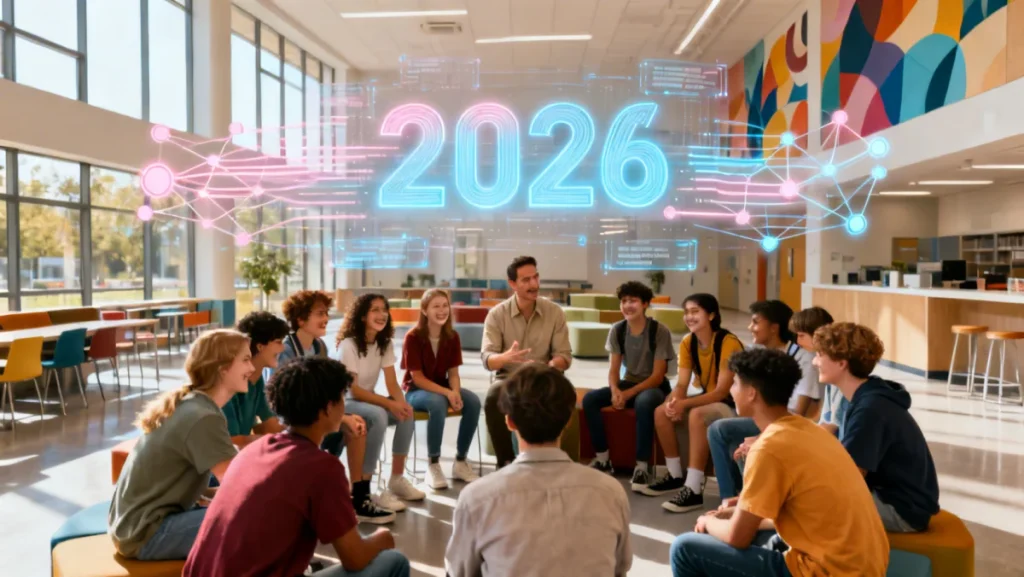
New US initiatives in 2026 are set to profoundly enhance student mental health support for over 2 million adolescents, integrating comprehensive services into educational systems to address growing needs effectively.
The landscape of education is constantly evolving, and with it, the recognition of holistic student well-being. In 2026, the United States is embarking on a pivotal journey to redefine and strengthen student mental health support, particularly for its adolescent population. This critical focus aims to reach over 2 million young people, acknowledging that academic success is inextricably linked to mental and emotional health. These new initiatives are not just about crisis intervention; they represent a proactive, comprehensive approach to fostering resilience, promoting early identification, and providing accessible support systems within school environments.
Understanding the Growing Need for Adolescent Mental Health Support
The mental health of adolescents in the United States has emerged as a significant public health concern, exhibiting a steady increase in reported anxiety, depression, and stress among young people. Factors such as social media pressures, academic demands, societal changes, and global events have collectively contributed to this heightened vulnerability, making robust support systems more crucial than ever.
Recognizing the urgency, policymakers, educators, and healthcare professionals have collaborated to develop targeted strategies. These initiatives aim to move beyond traditional reactive measures, focusing instead on prevention, early intervention, and creating a culture of openness around mental well-being in schools.
Prevalence of Mental Health Challenges
Recent data indicates that a substantial percentage of adolescents experience a diagnosable mental health condition, yet many do not receive adequate support. The stigma associated with mental illness often acts as a significant barrier, preventing young people from seeking help.
- Anxiety disorders are among the most common, affecting a large portion of the adolescent population.
- Depression rates have shown a concerning upward trend over the past decade.
- Eating disorders and substance use disorders also present significant challenges for this age group.
- Suicidal ideation and attempts, while less frequent, remain a critical concern requiring immediate attention.
The implications of unaddressed mental health issues extend beyond individual suffering, impacting academic performance, social development, and long-term well-being. Therefore, the 2026 initiatives are designed to create a more responsive and inclusive environment for all students.
Key Pillars of the 2026 US Initiatives
The new US initiatives for student mental health support in 2026 are built upon several foundational pillars designed to create a comprehensive and sustainable framework. These pillars emphasize a multi-faceted approach, integrating various services and stakeholders to ensure broad and effective reach for over 2 million adolescents.
At its core, the strategy focuses on accessibility, early intervention, and destigmatization, recognizing that a holistic approach is essential for long-term success. Funding has been allocated to support these pillars, ensuring that schools have the resources necessary to implement and sustain these programs.
Enhanced Funding and Resource Allocation
A significant aspect of the 2026 plan involves substantial federal and state funding increases directed towards mental health services in schools. This financial injection is critical for hiring more mental health professionals, developing new programs, and providing necessary training.
- Increased budgets for school psychologists, counselors, and social workers.
- Grants for schools to implement evidence-based mental health programs.
- Funding for technology solutions to improve access to tele-mental health services.
- Resources for ongoing professional development for all school staff.
This commitment to financial backing underscores the seriousness with which the nation is approaching the adolescent mental health crisis, aiming to bridge existing gaps in service provision and ensure that no student is left without support.
Integrating Mental Health Services into the Educational Fabric
One of the most innovative aspects of the 2026 initiatives is the deliberate integration of mental health services directly into the daily operations and curriculum of schools. This moves away from the idea of mental health support as an isolated service, instead embedding it within the broader educational experience. The goal is to make support readily available, normalize discussions around mental well-being, and reduce the logistical barriers students often face in accessing care.
This integration fosters a more supportive school climate where students feel safe discussing their struggles and seeking assistance without fear of judgment. It also empowers educators to play a more active role in identifying and responding to mental health needs.
School-Based Mental Health Centers
Many schools will see the establishment or expansion of dedicated mental health centers on campus. These centers will offer a range of services, from individual counseling and group therapy to psychoeducational workshops and crisis intervention. Staffed by licensed professionals, these centers aim to be easily accessible, offering a confidential space for students.
The proximity of these centers eliminates the need for students to travel off-campus, minimizing disruptions to their academic schedules and ensuring timely access to care. Furthermore, these centers can collaborate closely with school nurses and other support staff to provide a seamless referral process.

The integration also involves training teachers and school administrators to recognize the early signs of mental distress. This training equips them with the skills to initiate sensitive conversations and guide students toward appropriate resources. The objective is to create a network of support where every adult in a student’s school life can contribute to their mental well-being, making mental health a shared responsibility within the educational community.
Technology’s Role in Expanding Access and Engagement
In 2026, technology is poised to play an even more significant role in enhancing student mental health support, especially for reaching the vast number of adolescents across diverse geographical areas. Digital platforms, artificial intelligence, and virtual reality are being harnessed to overcome traditional barriers to access, provide innovative therapeutic tools, and facilitate early detection of mental health concerns.
These technological advancements are not intended to replace human interaction but rather to augment existing services, making support more flexible, personalized, and engaging for a generation that is digitally native. The focus is on leveraging technology responsibly and ethically to maximize its positive impact.
Tele-Mental Health Services and Apps
Tele-mental health services are expanding rapidly, offering remote counseling and therapy sessions through secure video conferencing platforms. This is particularly beneficial for students in rural areas or those who face transportation challenges.
- Confidential virtual therapy sessions available during school hours or after.
- Mental wellness apps providing guided meditations, mood tracking, and coping strategies.
- AI-powered chatbots offering initial support and directing students to professional help.
- Online peer support groups moderated by trained professionals.
These digital tools enhance accessibility and convenience, allowing students to receive support in environments where they feel most comfortable. The anonymity offered by some platforms can also reduce the stigma associated with seeking help, encouraging more adolescents to engage with mental health resources.
Training and Professional Development for Educators
A cornerstone of the 2026 initiatives is the comprehensive training and professional development provided to educators and school staff. Recognizing that teachers, administrators, and support personnel are often the first points of contact for students, equipping them with the right knowledge and skills is paramount. This training goes beyond basic awareness, delving into practical strategies for identifying, supporting, and referring students experiencing mental health challenges.
The aim is to create a school environment where every adult feels confident and capable of contributing to a culture of well-being, fostering a proactive approach to mental health rather than a reactive one. This investment in human capital is crucial for the long-term success of the programs.
Mental Health First Aid and Trauma-Informed Practices
Educators are receiving specialized training in programs such as Youth Mental Health First Aid, which teaches them how to recognize the signs and symptoms of common mental health issues and how to provide initial support.
- Training in identifying signs of depression, anxiety, eating disorders, and substance abuse.
- Developing communication skills for sensitive conversations with students.
- Understanding trauma-informed practices to create a safe and supportive classroom.
- Knowledge of local and school-based mental health resources for effective referrals.
This comprehensive training ensures that educators are not only aware of mental health issues but are also equipped with actionable strategies to support their students effectively. It empowers them to be advocates for student well-being within their daily roles.
Promoting a Culture of Well-being and Destigmatization
Beyond direct services and training, the 2026 initiatives place a strong emphasis on cultivating a school culture that actively promotes mental well-being and works to destigmatize mental health challenges. This involves a shift in narrative, moving away from viewing mental health as a weakness and instead embracing it as an integral part of overall health and personal growth. The goal is to create an environment where open discussions about emotions and struggles are normalized and encouraged.
This cultural transformation is vital for ensuring that the new services are utilized effectively and that students feel comfortable accessing the support they need without fear of judgment. It’s about building a community where empathy and understanding are paramount.
Peer Support Programs and Awareness Campaigns
Peer support programs are being implemented to leverage the power of student connection, allowing adolescents to support each other under the guidance of trained adults. These programs foster a sense of community and shared experience.
- Student-led mental health clubs and advocacy groups.
- School-wide campaigns to raise awareness and reduce mental health stigma.
- Incorporation of social-emotional learning (SEL) into the curriculum.
- Celebrations of mental health awareness days and weeks.
These initiatives actively involve students in the process of creating a supportive environment, empowering them to become mental health allies for their peers. By fostering open dialogue and providing positive role models, the programs aim to break down barriers and build a more compassionate school community where every student feels valued and supported.
| Key Initiative | Brief Description |
|---|---|
| Enhanced Funding | Increased federal and state investment for school mental health services and personnel. |
| Integrated Services | Mental health support is embedded directly within school operations and curriculum. |
| Technology Utilization | Expansion of tele-mental health, apps, and AI for broader access and engagement. |
| Educator Training | Comprehensive professional development for staff in mental health first aid and trauma-informed care. |
Frequently Asked Questions About Student Mental Health Support
The primary goals are to enhance accessibility to mental health services, promote early intervention for adolescents, destigmatize mental health issues, and integrate comprehensive support systems directly into school environments. The aim is to foster overall well-being and academic success for over 2 million students.
Technology will expand access through tele-mental health services, allowing remote counseling. Mental wellness apps will provide tools for mood tracking and coping. AI-powered chatbots will offer initial support. These digital tools aim to make support more flexible, convenient, and engaging for tech-savvy adolescents.
Educators are receiving comprehensive training in Youth Mental Health First Aid and trauma-informed practices. This equips them to recognize signs of mental distress, engage in supportive conversations, and refer students to appropriate resources. They are crucial for creating a proactive and supportive school culture.
The initiatives promote a culture of well-being through school-wide awareness campaigns, social-emotional learning, and peer support programs. By normalizing discussions about mental health and integrating support, they aim to reduce fear of judgment and encourage students to seek help openly. This fosters empathy and understanding.
While all students benefit from a more supportive environment, the initiatives are particularly aimed at benefiting the over 2 million adolescents across the US who may be experiencing or are at risk of mental health challenges. This includes students in underserved areas and those facing academic or social pressures.
Conclusion
The 2026 US initiatives for student mental health support mark a transformative period for adolescent well-being. By committing significant resources, integrating services within schools, leveraging technology, and empowering educators, the nation is building a more resilient and supportive educational ecosystem. This comprehensive approach, targeting over 2 million adolescents, aims not only to address existing mental health challenges but also to foster a proactive culture of well-being that will benefit generations to come. The emphasis on destigmatization, early intervention, and accessible care underscores a profound understanding that mental health is foundational to academic success and a thriving future for all students.
Autor