WIC Program 2026: Updated Food Packages and Benefits
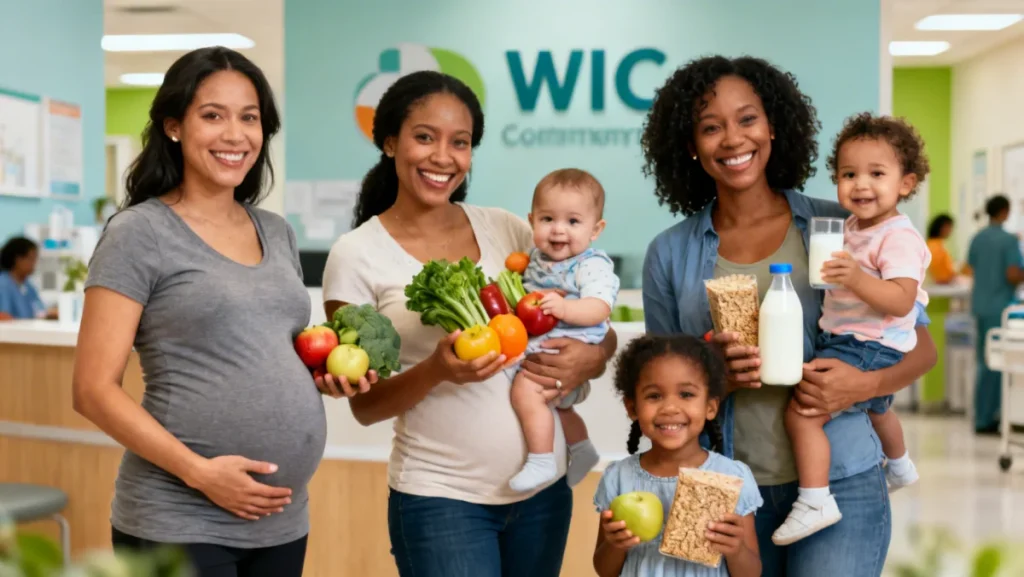
The WIC Program 2026 is set to unveil significant updates, enhancing food packages and nutritional benefits to better support pregnant women, infants, and young children with healthy food options and vital resources.
Are you curious about how the upcoming changes to the WIC Program will impact families across the nation? The WIC Program 2026 is poised to introduce crucial updates to its food packages and nutritional benefits, designed to further bolster the health and well-being of pregnant women, infants, and young children. Understanding these changes is vital for eligible families to maximize the support available.
Understanding the WIC Program’s Evolution
The Special Supplemental Nutrition Program for Women, Infants, and Children (WIC) has been a cornerstone of public health in the United States for decades, providing nutritious foods, nutrition education, and healthcare referrals to low-income pregnant, breastfeeding, and non-breastfeeding postpartum women, and to infants and children up to age five who are found to be at nutritional risk. As we approach 2026, the program is undergoing a significant evolution, reflecting the latest scientific recommendations and dietary guidelines. These updates are not merely administrative adjustments; they represent a concerted effort to optimize the nutritional impact of WIC benefits.
The continuous refinement of the WIC program underscores its adaptability and commitment to addressing the evolving dietary needs of its participants. By regularly reviewing and updating food packages, WIC ensures that the foods provided align with current nutritional science and promote healthy eating habits from an early age. This forward-thinking approach aims to lay a strong foundation for lifelong health for some of the most vulnerable members of our society.
Historical context and recent changes
WIC’s journey has been marked by periodic revisions to its food packages, often driven by advancements in nutritional science and public health initiatives. The program’s design allows for flexibility, enabling it to respond to emerging health concerns and dietary trends. The changes anticipated for 2026 build upon previous revisions, aiming for greater flexibility, cultural appropriateness, and an increased emphasis on fruits, vegetables, and whole grains.
- Initial focus on basic food groups to address widespread deficiencies.
- Introduction of culturally appropriate food options to better serve diverse populations.
- Increased emphasis on fresh produce and whole grains in recent decades.
- Ongoing efforts to streamline access and reduce administrative burdens for participants.
These historical adjustments highlight WIC’s dynamic nature, always striving to improve its effectiveness. The upcoming 2026 changes are a continuation of this legacy, promising a more robust and responsive program that truly meets the needs of its beneficiaries.
Key Updates to WIC Food Packages in 2026
The most anticipated aspect of the WIC Program 2026 is the comprehensive overhaul of its food packages. These revisions are based on recommendations from the National Academies of Sciences, Engineering, and Medicine (NASEM) and aim to provide a broader array of healthy foods, promoting better dietary patterns from pregnancy through early childhood. The goal is to align WIC food offerings more closely with the Dietary Guidelines for Americans, ensuring participants receive the most beneficial nutrients.
The changes are expected to include increased allotments for certain food categories, the introduction of new food options, and greater flexibility in food choices. This holistic approach is designed to empower families to make healthier decisions, reduce food insecurity, and improve overall nutritional outcomes. It’s a significant step towards fostering lifelong healthy eating habits.
Expanded fruit and vegetable vouchers
One of the most significant enhancements will likely be the expansion of the Cash Value Benefit (CVB) for fruits and vegetables. This increase is crucial for ensuring that pregnant women, breastfeeding mothers, and young children have ample access to these essential food groups, which are often under-consumed.
- Increased monthly CVB amounts for women and children.
- Greater purchasing power for fresh, frozen, and canned produce.
- Encouragement of diverse fruit and vegetable consumption.
- Potential inclusion of culturally relevant produce options.
This enhanced voucher system directly addresses previous limitations, allowing families to incorporate a wider variety of nutrient-dense foods into their diets. It represents a tangible commitment to improving the nutritional quality of WIC participants’ meals.
Dairy and non-dairy alternatives adjustments
The 2026 updates are also expected to bring adjustments to dairy and non-dairy alternatives. Recognizing the diverse dietary needs and preferences of participants, the program aims to offer more inclusive options while maintaining nutritional integrity. This includes accommodating individuals with lactose intolerance or those who prefer plant-based diets.
This flexibility ensures that all participants can access adequate calcium and vitamin D, regardless of their dietary restrictions. The focus remains on providing nutrient-dense choices that support healthy growth and development across all WIC categories.
Enhanced Nutritional Benefits for Pregnant Women
Pregnant women are a cornerstone of the WIC program, and the 2026 updates are particularly focused on enhancing their nutritional support. Adequate nutrition during pregnancy is critical for both maternal health and fetal development, impacting long-term health outcomes for both mother and child. The revised food packages will reflect the heightened nutritional requirements of this crucial period.
These enhancements are designed to address common nutritional deficiencies during pregnancy, such as iron, folate, and calcium, while also promoting healthy weight gain and reducing the risk of complications. The goal is to ensure that every pregnant woman participating in WIC has the best possible start for herself and her baby.
Specific food categories for expectant mothers
The updated food packages for pregnant women will likely see an increase in specific food categories known to be vital during gestation. This includes an emphasis on foods rich in essential vitamins and minerals, as well as those that provide adequate protein and fiber.
- Larger allowances for whole grains, such as whole wheat bread and brown rice.
- Increased access to protein sources like beans, lentils, and eggs.
- Expanded options for fortified milk and dairy products or their alternatives.
- Greater flexibility in fruit and vegetable choices to meet diverse palates.
These targeted adjustments aim to provide comprehensive nutritional coverage, supporting healthy pregnancy outcomes and preparing mothers for successful breastfeeding.
Nutritional education and counseling
Beyond food packages, the WIC Program 2026 will continue to prioritize robust nutritional education and counseling for pregnant women. This component is vital for empowering mothers-to-be with the knowledge and skills to make informed dietary choices and understand the importance of nutrition during pregnancy and beyond.
WIC educators provide personalized guidance, addressing individual needs and cultural preferences. This educational support complements the food benefits, creating a holistic approach to maternal and child health.
Improvements for Infants and Young Children
The WIC program’s commitment extends to infants and young children, recognizing that early nutrition is paramount for healthy growth, cognitive development, and disease prevention. The 2026 updates will introduce improvements tailored to the unique dietary needs of these age groups, ensuring they receive the best possible nutritional start in life.
These improvements are designed to support healthy feeding practices, from exclusive breastfeeding to the introduction of solid foods, and to provide nutrient-dense options that foster optimal development. The program aims to reduce the prevalence of childhood obesity and other diet-related health issues.
Infant formula and breastfeeding support
For infants, the program will continue to provide essential support for both breastfeeding mothers and those who choose or need to formula-feed. Breastfeeding promotion and support remain a core tenet of WIC, with enhanced resources and counseling services.
For formula-fed infants, the program ensures access to appropriate infant formulas, based on individual needs and pediatrician recommendations. The goal is to support healthy infant feeding practices regardless of the method chosen, always prioritizing the infant’s well-being.
Food options for toddlers and preschoolers
As children transition from infancy to toddlerhood and preschool, their nutritional needs evolve. The 2026 updates will offer a wider variety of healthy food options for this age group, encouraging the development of diverse eating habits and reducing picky eating.
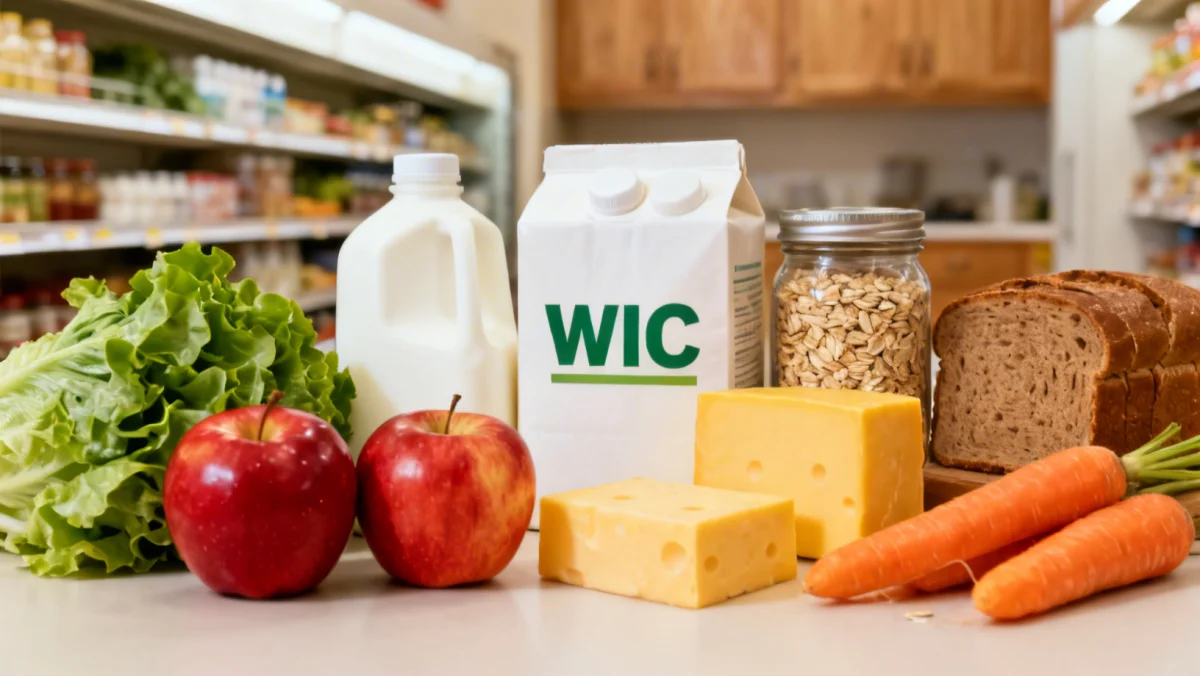
- Introduction of new whole grain cereals and breads suitable for young children.
- Expanded choices for fruits, vegetables, and lean protein sources.
- Emphasis on low-fat dairy or fortified non-dairy alternatives.
- Flexibility to accommodate cultural food preferences and dietary restrictions.
These changes aim to provide a balanced diet that supports the rapid growth and development characteristic of these formative years. By offering a diverse range of healthy foods, WIC helps families establish positive eating patterns early on.
Eligibility and Application Process for WIC in 2026
Understanding the eligibility criteria and the application process is crucial for families seeking to benefit from the WIC Program 2026. While the core requirements are expected to remain consistent, it’s always advisable to be aware of any minor adjustments or streamlined procedures that might be introduced to make access easier for eligible participants.
WIC serves a vital role in supporting families who meet specific income guidelines and are determined to be at nutritional risk. The program’s accessibility is key to its success, and efforts are continuously made to simplify the application and enrollment journey.
Who qualifies for WIC benefits?
Eligibility for WIC is based on several factors, primarily income, categorical eligibility, and nutritional risk. Pregnant women, breastfeeding women up to one year postpartum, non-breastfeeding postpartum women up to six months postpartum, and infants and children up to their fifth birthday are eligible if they meet the income guidelines and are determined to be at nutritional risk by a health professional.
- Income at or below 185% of the federal poverty level.
- Automatic eligibility for participants in certain programs like SNAP, Medicaid, or TANF.
- Identification of nutritional risk by a WIC nutritionist or health professional.
- Residency in the state where applying.
It is important for potential applicants to check the specific income guidelines for their state, as these can vary slightly based on family size and local cost of living. The nutritional risk assessment is a key component, ensuring that the program targets those most in need.
Navigating the application process
The application process for WIC typically involves contacting your local WIC agency, completing an application, and attending an appointment. During the appointment, eligibility is determined, and participants receive their food benefits and nutrition education.
While the process is designed to be straightforward, having the necessary documentation ready can significantly expedite it. This usually includes proof of identity, residency, income, and a medical history for the nutritional risk assessment. Many states now offer pre-screening tools online to help families determine their likely eligibility before their appointment.
Impact of WIC Program Updates on Public Health
The updates to the WIC Program 2026 are anticipated to have a profound positive impact on public health outcomes, particularly for vulnerable populations. By enhancing the quality and accessibility of nutritious foods and educational resources, WIC plays a crucial role in preventing diet-related diseases and promoting overall well-being from early life stages.
These improvements are not just about providing food; they are about investing in the future health of communities. A well-nourished start can lead to better academic performance, reduced healthcare costs, and a more productive workforce.
Reducing food insecurity and improving nutrition
One of WIC’s primary goals is to combat food insecurity and improve the nutritional status of its participants. The 2026 updates, particularly the increased fruit and vegetable vouchers and more flexible food options, are expected to significantly contribute to these objectives.
- Directly addresses food deserts and limited access to healthy foods.
- Empowers families with choices that fit their cultural and dietary needs.
- Reduces the likelihood of diet-related deficiencies and chronic diseases.
- Fosters healthier eating habits that can extend beyond WIC participation.
By making healthy foods more accessible and affordable, WIC helps bridge the gap for families struggling to provide adequate nutrition, especially during critical periods of growth and development.
Long-term health benefits for mothers and children
The long-term benefits of WIC participation are well-documented, and the 2026 enhancements are expected to amplify these positive effects. For mothers, improved nutrition during pregnancy can lead to healthier birth weights and reduced complications. For children, the benefits include better cognitive development, fewer instances of anemia, and a lower risk of obesity.
These cumulative benefits underscore the importance of WIC as a preventative public health measure. By focusing on early intervention and comprehensive support, the program contributes to a healthier generation, reducing the burden on the healthcare system in the long run.
Preparing for the WIC Program 2026 Changes
As the WIC Program 2026 approaches, it is important for both current and potential participants, as well as healthcare providers and WIC staff, to prepare for the upcoming changes. Proactive engagement will ensure a smooth transition and maximize the benefits for all involved.
Staying informed and understanding the nuances of the new guidelines will be key to successfully navigating the updated program. This preparation involves familiarizing oneself with revised food lists, understanding new eligibility considerations, and leveraging available resources.
Resources for families and providers
The USDA and state WIC agencies will undoubtedly provide extensive resources to help families and providers understand the 2026 changes. These resources typically include updated program guides, revised food lists, and informational workshops.
- Official USDA WIC website for national guidelines and updates.
- State WIC agency websites for local specific information and contacts.
- Local WIC clinics for personalized assistance and enrollment support.
- Healthcare providers and nutritionists familiar with WIC policies.
Utilizing these resources will ensure that families are well-equipped to take full advantage of the enhanced WIC benefits, and providers can effectively implement the new program guidelines.
Advocacy and community involvement
Community involvement and advocacy also play a crucial role in the ongoing success and evolution of the WIC program. Public feedback and support help shape policies and ensure that the program remains responsive to the needs of its participants. Engaging with local WIC offices and community organizations can provide valuable insights and foster a supportive environment.
By staying informed and actively participating, individuals and communities can contribute to WIC’s mission of promoting healthy outcomes for pregnant women, infants, and young children across the nation.
| Key Update Area | Brief Description of Change |
|---|---|
| Food Packages | Expanded options and increased allowances for healthy foods. |
| Fruit & Vegetable Vouchers | Significant increase in Cash Value Benefit (CVB) amounts. |
| Dairy & Alternatives | More flexible and inclusive choices for dairy and non-dairy products. |
| Nutritional Education | Continued emphasis on personalized guidance and support. |
Frequently asked questions about WIC 2026
The WIC Program 2026 will primarily feature expanded food options, increased fruit and vegetable vouchers (CVB), and greater flexibility in dairy and non-dairy alternatives. These changes aim to align food offerings with current dietary guidelines and participant needs.
While core eligibility criteria based on income, categorical eligibility, and nutritional risk are expected to remain consistent, it’s always recommended to check with your local WIC agency for any minor adjustments or streamlined application procedures closer to 2026.
Pregnant women will receive enhanced nutritional benefits, including increased allowances for vital food categories crucial for maternal health and fetal development. This aims to reduce deficiencies and promote healthier pregnancies through targeted food packages and education.
Infants and young children will benefit from improved food options tailored to their developmental stages, including continued breastfeeding support, appropriate formula access, and a wider variety of healthy foods to encourage diverse eating habits and optimal growth.
For the most accurate and up-to-date information, families and providers should consult the official USDA WIC website, their state WIC agency websites, or contact their local WIC clinic directly as 2026 approaches.
Conclusion
The forthcoming updates to the WIC Program 2026 represent a significant advancement in the nation’s commitment to supporting the health and well-being of pregnant women, infants, and young children. By refining food packages, expanding nutritional benefits, and maintaining a strong focus on education, WIC continues to adapt to scientific advancements and the diverse needs of its participants. These changes are poised to create a lasting positive impact on public health, fostering healthier generations and strengthening communities across the United States. Families are encouraged to stay informed and utilize the resources available to fully benefit from these crucial enhancements.
Autor