SNAP Benefits 2026: Eligibility & Application Guide
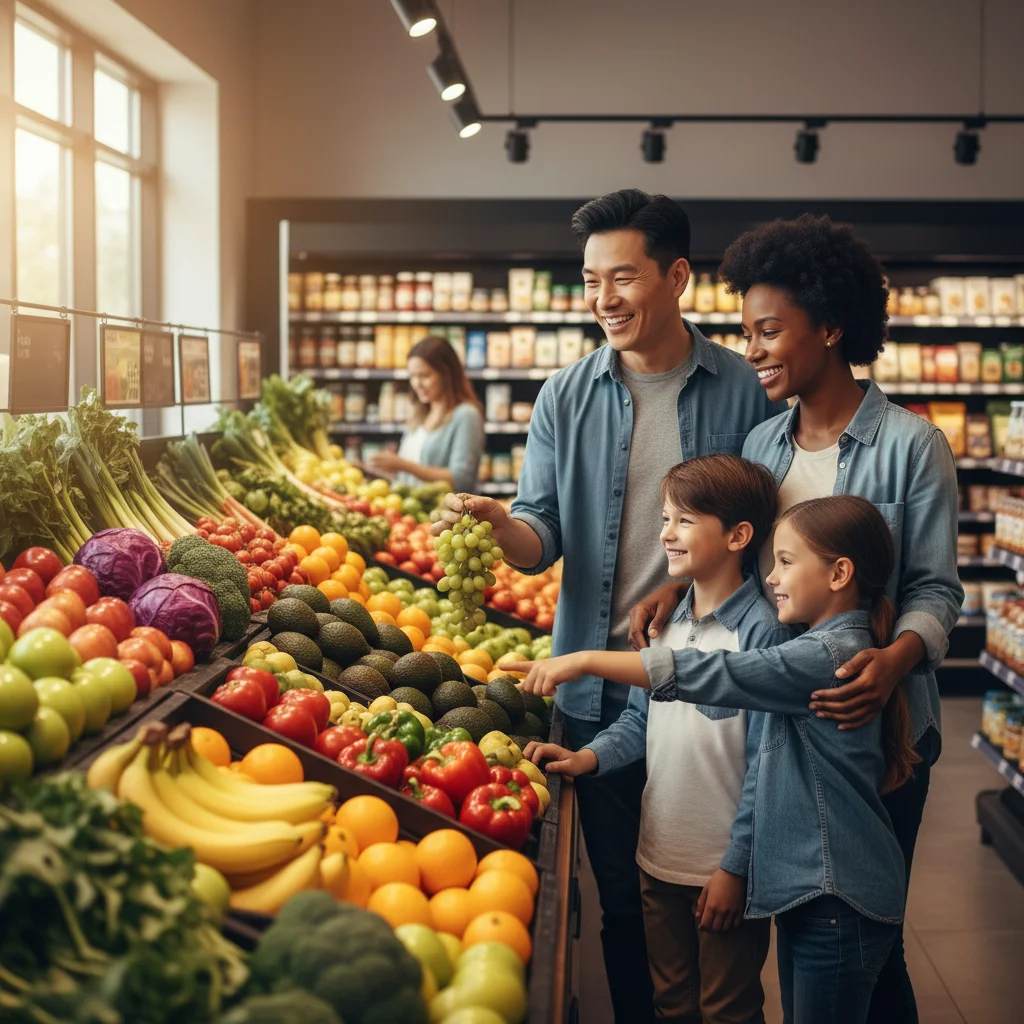
Understanding the evolving landscape of SNAP Benefits in 2026 is crucial for eligible individuals and families to successfully navigate the step-by-step process of applying for and receiving vital food assistance.
Are you looking to understand how to access crucial food assistance in the coming year? The process of Unlocking SNAP Benefits in 2026: A Step-by-Step Guide to Eligibility and Application for Food Assistance can seem complex, but with the right information, it becomes a clear path to securing support for your household. This guide is designed to demystify the federal Supplemental Nutrition Assistance Program (SNAP), providing you with the essential knowledge to navigate its requirements and application procedures effectively.
Understanding SNAP: What’s New in 2026?
The Supplemental Nutrition Assistance Program, commonly known as SNAP, remains a cornerstone of food security for millions of Americans. As we approach 2026, it’s important to be aware of any potential updates or changes to the program that could impact eligibility or benefit levels. While the core mission of SNAP—to provide low-income individuals and families with financial assistance to purchase nutritious food—remains steadfast, program parameters are subject to periodic review and adjustment by federal and state governments.
Staying informed about these potential modifications is key to a successful application and continued benefit receipt. These changes can stem from legislative actions, economic shifts, or administrative updates designed to streamline the program or address emerging needs. Understanding the foundational principles of SNAP, even amidst potential changes, will empower you to better prepare for applying or recertifying your benefits.
The foundational role of SNAP
SNAP serves as a critical safety net, helping to alleviate food insecurity and promote better health outcomes by enabling beneficiaries to afford wholesome foods. It is a federally funded program, but administered at the state level, which means there can be variations in application processes and specific requirements from one state to another. These state-specific nuances are vital to recognize when embarking on your application journey.
- Federal Oversight: The USDA Food and Nutrition Service (FNS) sets the national guidelines for SNAP.
- State Administration: Each state manages its own SNAP program, including application processing and benefit distribution.
- Benefit Delivery: Benefits are typically provided via an Electronic Benefits Transfer (EBT) card, which functions like a debit card.
In conclusion, while the fundamental purpose of SNAP endures, applicants should remain vigilant for any announced changes in 2026. These updates, though often minor, can influence the specifics of eligibility and the application process, making proactive research a valuable asset for all prospective beneficiaries.
Eligibility Requirements for SNAP in 2026
Determining your eligibility for SNAP benefits in 2026 involves a thorough assessment of several key factors, primarily focusing on household income, assets, and specific demographic criteria. These requirements are established to ensure that assistance is directed to those who need it most, aligning with the program’s goal of combating food insecurity. It’s important to remember that while federal guidelines provide a baseline, individual states may have slightly differing thresholds or additional considerations.
Generally, eligibility hinges on a household’s gross and net income falling below certain federal poverty levels. Gross income refers to a household’s total income before any deductions, while net income is what remains after allowable deductions are applied. These income limits are typically adjusted annually to reflect changes in the cost of living.
Income and asset thresholds
Most households must meet both gross and net income tests. However, households with elderly or disabled members only need to meet the net income test. Asset limits also play a role, though certain assets like your home and most retirement accounts are usually excluded. The specific dollar amounts for these thresholds are subject to change, so consulting official state resources is always recommended for the most current figures.
- Gross Income: Must be at or below 130% of the federal poverty level (FPL).
- Net Income: Must be at or below 100% of the FPL.
- Asset Limits: Typically around $2,750, or $4,250 for households with an elderly or disabled member.
Beyond financial criteria, other factors can influence eligibility. These include citizenship or eligible non-citizen status, residency in the state where applying, and work requirements for certain individuals. Students enrolled in higher education may also face specific conditions to qualify for SNAP. Understanding these multifaceted requirements is the first crucial step in successfully applying for benefits.
In summary, eligibility for SNAP in 2026 is a multi-faceted evaluation involving income, assets, and household composition. Prospective applicants should meticulously review both federal and state-specific guidelines to ascertain their qualification status before initiating an application.
The SNAP Application Process: A Step-by-Step Guide
Once you’ve determined your likely eligibility for SNAP benefits, the next critical phase is navigating the application process itself. While the exact steps can vary slightly by state, the overarching framework for applying for food assistance remains consistent across the United States. This guide will walk you through the typical stages, from gathering necessary documentation to submitting your application and attending an interview.
The application process is designed to be accessible, but it requires careful attention to detail and timely submission of information. Proactive preparation can significantly streamline the experience and reduce potential delays. Beginning with a clear understanding of what’s expected will set you up for success.
Gathering required documentation
Before you even begin filling out forms, compiling all necessary documents is paramount. This foundational step ensures you have all the information at hand, preventing interruptions during the application. Common documents include:
- Proof of Identity: Driver’s license, state ID, or passport for all household members.
- Proof of Residency: Utility bills, rent receipts, or a lease agreement.
- Income Verification: Pay stubs, employer statements, or benefit award letters for all household income sources.
- Asset Information: Bank statements, property deeds (excluding primary residence), or vehicle titles.
- Household Expenses: Rent/mortgage statements, utility bills, medical expenses (for elderly/disabled), and child care costs.
Having these documents organized and readily available will make the application process much smoother. Many states allow you to upload these documents electronically, but some may still require physical copies or in-person verification.
Submitting your application
Most states offer multiple avenues for submitting a SNAP application. The most common methods include online portals, mail, fax, or in-person submission at a local SNAP office. Online applications are often the quickest and most convenient, allowing you to complete forms from home and upload supporting documents digitally. Regardless of the method chosen, ensure all sections are accurately completed to avoid delays.

The interview and verification process
After submitting your application, a caseworker will typically contact you for an interview. This interview can be conducted over the phone or in person and is an opportunity to clarify any information provided in your application. The caseworker will also verify the information you’ve submitted, often by contacting employers, landlords, or other relevant sources. Be prepared to answer questions about your household, income, and expenses.
Following the interview, the agency will determine your eligibility and the amount of benefits you will receive. You will be notified of their decision in writing. If approved, your benefits will be loaded onto an EBT card, which you can then use to purchase eligible food items at authorized retailers.
In summary, the SNAP application process in 2026 is a structured journey from documentation gathering to final approval. Diligence in preparing and submitting accurate information, along with active participation in the interview process, are key to a successful outcome.
Maximizing Your SNAP Benefits: Tips and Strategies
Once approved for SNAP benefits, understanding how to effectively utilize and maximize your assistance is crucial for household food security. SNAP is designed to supplement your food budget, not cover all expenses, so strategic planning can significantly extend the reach of your benefits. This section explores practical tips and strategies to help you make the most of your EBT card and ensure your family has access to nutritious meals.
Maximizing benefits goes beyond just spending the allocated amount; it involves smart shopping, meal planning, and awareness of eligible purchases. By adopting a thoughtful approach, you can stretch your food budget further and improve your overall dietary quality.
Smart shopping and meal planning
One of the most effective ways to maximize your SNAP benefits is through careful meal planning and smart shopping. Planning your meals for the week or month can help you create a shopping list that minimizes impulse buys and focuses on essential ingredients. Look for sales, use coupons, and consider buying generic or store-brand products, which are often more affordable than name brands without sacrificing quality.
- Create a Budget: Allocate your SNAP benefits across different food categories.
- Plan Meals: Develop weekly meal plans to guide your grocery list.
- Shop Sales: Take advantage of weekly specials and seasonal produce.
- Compare Prices: Look at unit prices to find the best value.
- Cook at Home: Preparing meals from scratch can be more cost-effective than convenience foods.
Consider purchasing non-perishable items in bulk if you have storage space and it’s cost-effective. Farmers’ markets often accept EBT cards, and some even offer matching programs, effectively doubling your benefits for fresh produce. This is an excellent way to access healthy, local foods while supporting your community.
Understanding eligible purchases
It’s vital to know what you can and cannot buy with your SNAP EBT card. SNAP benefits can be used to purchase most food items for the household, including fruits, vegetables, meat, poultry, fish, dairy products, breads, cereals, and snack foods. Seeds and plants that produce food for the household can also be purchased.
However, there are restrictions. You cannot use SNAP benefits to buy alcoholic beverages, tobacco products, vitamins or medicines, hot foods prepared for immediate consumption (like rotisserie chickens from the deli), or non-food items such as pet food, cleaning supplies, or household goods. Being aware of these limitations will prevent issues at the checkout and help you plan your purchases accordingly.
In conclusion, maximizing your SNAP benefits in 2026 involves a combination of careful planning, intelligent shopping habits, and a clear understanding of eligible purchases. These strategies empower beneficiaries to make their food assistance go further and contribute to a healthier household.
Recertification and Reporting Changes for SNAP
Receiving SNAP benefits isn’t a one-time event; it requires periodic recertification and timely reporting of any changes in your household circumstances. This ongoing process ensures that individuals and families continue to meet eligibility requirements and receive the correct amount of assistance. Neglecting these responsibilities can lead to a temporary suspension or even termination of benefits, making it crucial to understand and adhere to the guidelines for recertification and reporting.
Recertification typically occurs every six to twelve months, depending on your state and household situation. The purpose is to re-evaluate your income, assets, and household composition to confirm continued eligibility. Missing a recertification deadline can result in a lapse in benefits, so tracking these dates is essential.
The recertification process
Before your benefits are due to expire, your state SNAP agency will send you a recertification notice. This notice will include instructions on how to complete the process, which usually involves filling out a new application form and providing updated documentation. Similar to the initial application, you may need to participate in an interview to review your current situation.
- Receive Notification: Your state agency will mail a recertification packet.
- Complete Application: Fill out the recertification form accurately and completely.
- Submit Documents: Provide updated proof of income, expenses, and household changes.
- Attend Interview: Participate in a phone or in-person interview if required.
- Await Decision: The agency will notify you of your continued eligibility and benefit amount.
It is highly recommended to submit your recertification application and all supporting documents before the due date to avoid any interruption in your benefits. Many states offer online portals for recertification, making the process more convenient.
Reporting changes in circumstances
Beyond scheduled recertification, SNAP recipients are generally required to report certain changes in their household circumstances within a specific timeframe, often within 10 days of the change. These changes can impact your eligibility or the amount of benefits you receive. Failure to report significant changes can lead to overpayments, which you may be required to repay, or even penalties.
Key changes to report include: an increase or decrease in household income, changes in household members (someone moving in or out), changes in housing costs, or changes in employment status. Each state has specific reporting requirements, so it’s important to familiarize yourself with your local agency’s guidelines. Keeping accurate records of all reported changes is also a good practice.
In conclusion, maintaining SNAP benefits in 2026 necessitates proactive engagement through timely recertification and diligent reporting of any household changes. Adhering to these requirements ensures continuous support and avoids potential complications with your food assistance.
Navigating Challenges and Resources for SNAP Applicants
While the SNAP program is designed to be accessible, applicants and beneficiaries may encounter various challenges, from understanding complex rules to dealing with application denials. Fortunately, a wealth of resources is available to help navigate these hurdles, ensuring that individuals and families can successfully access and maintain their food assistance. Knowing where to turn for help can make a significant difference in a positive outcome.
Challenges can range from language barriers and lack of access to technology for online applications, to difficulties in gathering required documentation. It’s important to remember that you don’t have to face these issues alone; support systems are in place to assist you.
Addressing common application issues
One of the most frequent challenges is incomplete applications or missing documentation, which can lead to delays or denials. To mitigate this, double-check all forms for accuracy and ensure every required document is submitted. If you receive a denial, the notice will typically explain the reason and inform you of your right to appeal. An appeal allows you to present additional information or argue why you believe the decision was incorrect.
- Incomplete Applications: Review all fields carefully before submission.
- Missing Documents: Keep a checklist of all required paperwork.
- Denial of Benefits: Understand the reason for denial and explore appeal options.
If you disagree with a decision, you have the right to request a fair hearing, where an impartial official will review your case. This is a crucial safeguard to ensure fair treatment and proper application of the rules.
Utilizing support resources
Several organizations and government agencies offer assistance to SNAP applicants and beneficiaries. Your local SNAP office is always a primary resource, providing direct guidance and answering specific questions about your case. Beyond government agencies, various non-profit organizations and community groups specialize in food assistance advocacy and support.
Food banks and anti-hunger organizations often have staff or volunteers who can help with application assistance, provide referrals to other services, and offer emergency food aid. Legal aid societies may also be able to provide assistance if you need help with an appeal or encounter complex legal issues related to your benefits. Many of these resources also offer assistance in multiple languages, addressing potential language barriers.
Furthermore, online resources, such as state SNAP websites and USDA FNS publications, offer detailed information, FAQs, and application portals. These digital tools can be invaluable for self-guided research and application submission.
In conclusion, encountering challenges while seeking SNAP benefits in 2026 is not uncommon, but a robust network of resources exists to provide support. Proactive engagement with these support systems can significantly ease the process and help secure vital food assistance.
The Future of Food Assistance: SNAP Beyond 2026
As we look beyond 2026, the landscape of food assistance programs like SNAP is continuously evolving, shaped by economic shifts, policy debates, and ongoing efforts to combat food insecurity. Understanding these broader trends can offer insights into the potential future direction of SNAP and how it might continue to serve vulnerable populations. The program’s adaptability is crucial in responding to changing societal needs and economic conditions.
Discussions around SNAP often involve proposals for program modernization, adjustments to benefit calculations, and efforts to improve access and efficiency. These conversations reflect a commitment to ensuring that the program remains effective and responsive to the realities faced by low-income Americans.
Potential policy developments
Future policy developments could include changes to eligibility criteria, benefit levels, or work requirements. There’s an ongoing dialogue about the balance between providing a robust safety net and encouraging self-sufficiency. Innovations in technology may also lead to more streamlined application processes and improved benefit delivery mechanisms, making it easier for eligible individuals to access support.
- Benefit Adjustments: Potential changes to how benefit amounts are calculated to better reflect the cost of healthy food.
- Work Requirements: Ongoing discussions about the role of work requirements and exemptions.
- Technological Integration: Further development of online portals and digital tools for application and management.
Furthermore, there’s increasing interest in the intersection of food assistance and public health. Initiatives that promote access to fresh produce, support healthy eating habits, and address diet-related diseases could become more integrated into the SNAP program. This holistic approach aims to not only alleviate hunger but also improve the long-term health outcomes of beneficiaries.
Addressing food insecurity in a changing climate
The impact of climate change on food systems, including agricultural production and food prices, is another critical factor that could influence SNAP in the years to come. As environmental challenges intensify, strategies for ensuring a stable and affordable food supply for all Americans will become even more paramount. SNAP may need to adapt to support communities affected by climate-related disruptions, such as severe weather events impacting local food sources.
Moreover, the program’s role in supporting economic recovery during downturns or unforeseen crises is likely to remain significant. SNAP’s ability to quickly inject federal dollars into local economies and provide immediate relief to struggling families highlights its importance as a counter-cyclical program. The ongoing evaluation of SNAP’s effectiveness and its capacity to meet future challenges will guide its evolution.
In conclusion, the future of food assistance, including SNAP beyond 2026, is poised for continuous evolution, influenced by policy, technology, and environmental factors. These developments aim to strengthen the program’s ability to combat food insecurity and adapt to the dynamic needs of the population.
| Key Aspect | Brief Description |
|---|---|
| Eligibility Criteria | Income and asset limits, citizenship, residency, and work requirements are key factors. |
| Application Process | Involves gathering documents, submitting forms (online/mail), and an interview. |
| Maximizing Benefits | Smart shopping, meal planning, and understanding eligible purchases are crucial. |
| Recertification | Periodic review of eligibility, requiring updated information and interviews. |
Frequently Asked Questions About SNAP Benefits 2026
For most households, gross income must be at or below 130% of the federal poverty level, and net income must be at or below 100%. These figures are adjusted annually, so checking your state’s specific guidelines for 2026 is essential.
Once your application is submitted and all required documentation is provided, states typically process applications within 30 days. In emergency situations, some households may receive benefits within seven days if they meet expedited processing criteria.
Yes, certain qualified non-citizens, such as lawful permanent residents, refugees, and asylum seekers, may be eligible for SNAP benefits. There are specific criteria regarding their immigration status and length of residency in the U.S.
SNAP benefits can be used for most food items, including fruits, vegetables, meat, dairy, bread, and cereals. They cannot be used for alcoholic beverages, tobacco, hot prepared foods, or non-food items like vitamins or cleaning supplies.
If your benefits are denied or reduced, you have the right to request a fair hearing or appeal the decision. The denial notice should provide information on how to initiate this process and the deadline for doing so.
Conclusion
Navigating the complexities of Unlocking SNAP Benefits in 2026: A Step-by-Step Guide to Eligibility and Application for Food Assistance is a critical endeavor for many households across the United States. This comprehensive guide has provided a detailed roadmap, from understanding updated eligibility criteria and meticulously preparing for the application process, to maximizing your benefits and effectively managing recertification. By staying informed, utilizing available resources, and proactively addressing any challenges, individuals and families can successfully secure the food assistance they need, contributing to greater food security and overall well-being. The continuous evolution of SNAP underscores its vital role in supporting communities, and being well-prepared is the best approach to access this essential program.
Autor