2025 Medicare Changes: What Beneficiaries Need to Know About a 5% Premium Increase

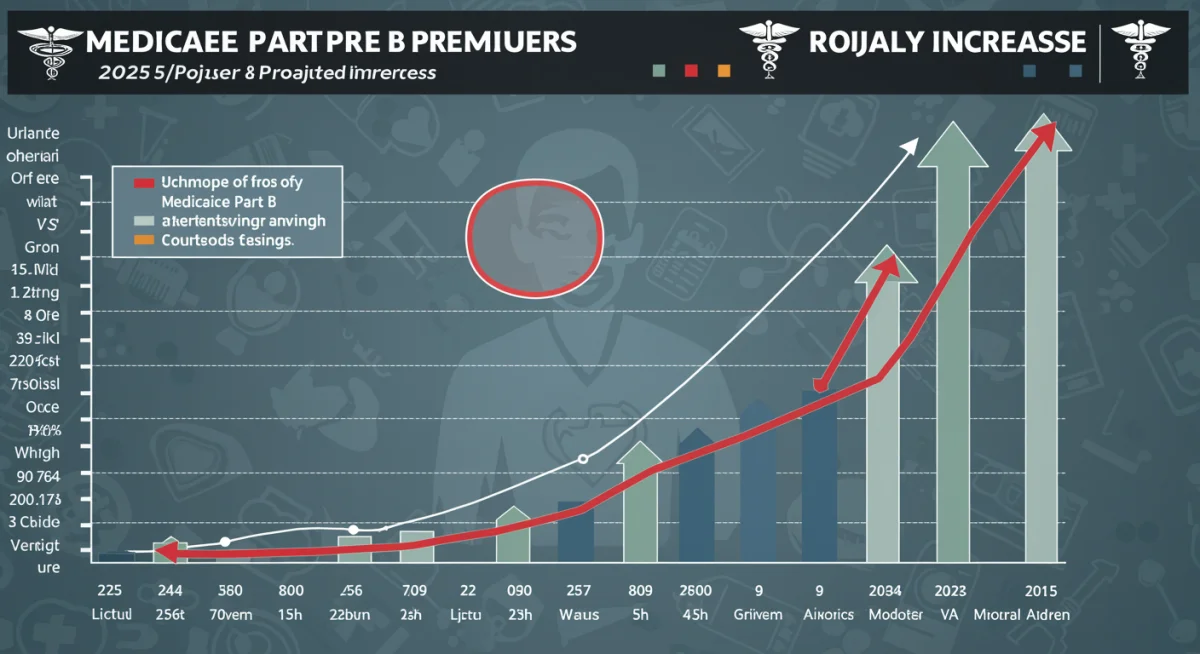
Medicare beneficiaries should prepare for the projected 5% premium increase in 2025, understanding its implications for their financial planning and access to essential healthcare services.
The landscape of healthcare for seniors and eligible individuals is constantly evolving, and staying informed is crucial. One of the most significant updates on the horizon is The 2025 Medicare Changes: What Beneficiaries Need to Know About a 5% Premium Increase. This anticipated adjustment could have a notable impact on your monthly budget and overall financial planning for healthcare.
Understanding the 2025 Medicare Premium Increase
The projected 5% premium increase for Medicare in 2025 is a critical development that warrants close attention from all beneficiaries. This adjustment is not an isolated event but rather a reflection of broader economic and healthcare trends, including rising healthcare costs, inflation, and changes in medical utilization patterns. Understanding the factors driving this increase is essential for beneficiaries to anticipate and prepare for its financial implications.
Medicare Part B premiums, which cover outpatient care, doctor visits, and other medical services, are typically the most visible and directly impactful component of these changes for many individuals. While the exact figures are often finalized closer to the end of the year, projections allow for early planning and awareness.
Factors Influencing Premium Adjustments
Several key elements contribute to the annual recalculation of Medicare premiums. These are complex and interconnected, often leading to incremental but consistent increases over time.
- Healthcare Spending Growth: Overall increases in healthcare expenditures, driven by new technologies, prescription drug costs, and an aging population, directly impact Medicare’s budget.
- Inflation: General economic inflation erodes the purchasing power of Medicare funds, necessitating premium adjustments to maintain service levels.
- Utilization of Services: Changes in how beneficiaries use medical services, such as more frequent doctor visits or specialized treatments, can also influence costs.
In conclusion, the 2025 premium increase is a multifaceted issue influenced by a range of economic and healthcare dynamics. Being aware of these underlying causes can help beneficiaries better understand why such adjustments are necessary and how they fit into the larger picture of healthcare financing.
Impact on Beneficiary Budgets and Financial Planning
A 5% increase in Medicare premiums, while seemingly modest, can accumulate to a significant amount over the course of a year, particularly for those on fixed incomes. This necessitates a careful review of personal budgets and financial strategies to accommodate the additional expense. The change affects not only the direct premium payment but can also have ripple effects on other aspects of financial planning, such as retirement savings and discretionary spending.
For many seniors, Medicare premiums represent a fixed and unavoidable monthly cost. Even a small percentage increase can strain budgets that are already tight. It’s crucial to assess how this additional expenditure will fit into your current financial framework and identify areas where adjustments might be needed.
Strategies for Budget Adjustment
Proactive financial planning can mitigate the impact of rising Medicare costs. There are several approaches beneficiaries can consider to adapt to the new premium structure.
- Reviewing Other Expenses: Take a comprehensive look at your monthly expenditures to identify non-essential costs that can be reduced or eliminated.
- Exploring Supplemental Coverage: Evaluate whether your current Medigap or Medicare Advantage plan still offers the best value, or if switching plans could help offset the premium increase.
- Seeking Financial Assistance: Investigate programs like Medicare Savings Programs (MSPs) or Extra Help, which can assist with premium and out-of-pocket costs for eligible individuals.
Ultimately, the 2025 premium increase underscores the importance of ongoing financial vigilance. By understanding the potential impact and exploring various adjustment strategies, beneficiaries can maintain their financial stability while continuing to access necessary healthcare services.
Exploring Medicare Part B and Part D Premium Structures
While the focus often falls on the overall premium increase, it’s important to differentiate between Medicare Part B and Part D, as their premium structures and how they are affected can vary. Medicare Part B covers medical services, while Part D covers prescription drugs, and both have distinct cost-sharing mechanisms that will be influenced by the 2025 changes.
The 5% increase primarily refers to the standard Part B premium. However, it’s important to remember that individuals with higher incomes may pay an Income-Related Monthly Adjustment Amount (IRMAA) for both Part B and Part D. This means their premium increase could be even more substantial, as IRMAA is added on top of the standard premium.
Understanding IRMAA and Its Implications
IRMAA can significantly amplify the financial burden for higher-income beneficiaries. It’s crucial for these individuals to be aware of the income thresholds and how their adjusted gross income (AGI) from two years prior can impact their current premiums.
- Part B IRMAA: Additional amounts added to the standard Part B premium based on AGI.
- Part D IRMAA: An extra charge added to your monthly Part D premium, also based on AGI.
- Income Thresholds: These thresholds are adjusted annually, and crossing a new threshold can trigger a higher IRMAA payment.
Understanding the interplay between standard premiums and IRMAA is vital for a complete picture of your Medicare costs. Beneficiaries should review their income and consult with a financial advisor if they believe they might be subject to IRMAA, especially with an anticipated premium increase.
Strategies to Mitigate the Premium Increase
While a premium increase is an unavoidable part of Medicare’s financial structure, beneficiaries are not without options to manage their healthcare costs. Proactive steps and informed decisions can help offset some of the financial impact of the 2025 adjustments.
One of the most effective strategies involves regularly reviewing your current Medicare coverage and comparing it with available alternatives. The healthcare market, especially for supplemental plans like Medicare Advantage and Medigap, is dynamic, with new plans and benefits emerging annually. What was the best fit for you last year might not be for 2025.
Evaluating Your Medicare Coverage Options
Making an informed choice about your Medicare plan is paramount. This involves understanding the nuances of different plan types and how they align with your health needs and financial situation.
- Medicare Advantage Plans (Part C): These plans often roll Part A, Part B, and usually Part D into one plan, potentially offering lower monthly premiums or additional benefits such as dental, vision, and hearing care.
- Medigap (Medicare Supplement Insurance): These plans work with Original Medicare to cover out-of-pocket costs like deductibles, copayments, and coinsurance. While they have separate premiums, they can provide predictable expenses.
- Prescription Drug Plans (Part D): Even if you have Original Medicare, reviewing your Part D plan annually is crucial to ensure it still covers your medications at the most favorable cost.
By actively engaging in the annual enrollment period and exploring all available options, beneficiaries can make choices that potentially mitigate the impact of the 2025 premium increase and ensure their healthcare needs are met affordably.
Understanding the Broader Context of Medicare Financing
The 2025 Medicare premium increase is not an isolated event but rather a symptom of the broader financial challenges facing the Medicare program. Understanding these larger forces can provide beneficiaries with a more complete picture of why such adjustments occur and what the future might hold for their healthcare coverage.
Medicare is primarily funded through a combination of payroll taxes, beneficiary premiums, and general revenue. The solvency of the program is continually monitored, and adjustments like premium increases are sometimes necessary to ensure its long-term viability and ability to provide essential services to millions of Americans. Demographic shifts, such as the aging of the baby-boomer generation, place increasing demands on the system.
Challenges and Sustainability
The financial health of Medicare is a subject of ongoing debate and policy discussions. Several key challenges contribute to the need for periodic adjustments.
- Demographic Shifts: A growing number of retirees relative to the working population means fewer contributors to the system supporting more beneficiaries.
- Rising Healthcare Costs: Advances in medical technology and new treatments, while beneficial, often come with a high price tag.
- Economic Volatility: Economic downturns can reduce tax revenues, putting additional strain on Medicare’s funding.
In essence, the 2025 premium increase is a response to these complex financial realities. By appreciating the larger context of Medicare financing, beneficiaries can better understand the rationale behind these changes and the importance of a robust, sustainable healthcare system for future generations.
Preparing for Future Medicare Changes and Open Enrollment
The announcement of a 5% premium increase for 2025 serves as a timely reminder for all Medicare beneficiaries to actively prepare for the upcoming annual Open Enrollment Period. This crucial window, typically from October 15 to December 7 each year, is your opportunity to review, compare, and make changes to your Medicare coverage for the following year.
Ignoring these changes or failing to review your options can lead to higher out-of-pocket costs or coverage that no longer meets your needs. With the 2025 premium increase on the horizon, it becomes even more imperative to engage actively during Open Enrollment to ensure your plan is optimized for both cost and coverage.
Key Actions During Open Enrollment
Taking a proactive approach during Open Enrollment can significantly impact your healthcare expenses and access to services in the coming year. Here are essential steps to consider.
- Review Your Annual Notice of Change (ANOC): Your current plan will send you an ANOC detailing any changes to your plan’s costs, benefits, or covered services for the next year.
- Compare Plans: Use the official Medicare Plan Finder tool on Medicare.gov to compare all available plans in your area, including Original Medicare, Medicare Advantage, and Part D plans.
- Consider Your Health Needs: Reflect on any changes in your health status, medications, or doctor preferences, and choose a plan that best aligns with these needs.
Preparing for future Medicare changes and actively participating in Open Enrollment empowers beneficiaries to make informed decisions that can help manage the financial impact of premium increases and ensure continued access to quality healthcare.
| Key Point | Brief Description |
|---|---|
| 2025 Premium Increase | Medicare beneficiaries can expect a projected 5% increase in premiums, primarily affecting Part B. |
| Impact on Budgets | This increase requires financial planning adjustments, especially for those on fixed incomes. |
| IRMAA Consideration | Higher-income beneficiaries may face additional Income-Related Monthly Adjustment Amounts (IRMAA). |
| Open Enrollment | Utilize the annual Open Enrollment Period to review and optimize Medicare coverage for 2025. |
Frequently Asked Questions About 2025 Medicare Changes
The primary reasons for the 2025 Medicare premium increase include rising healthcare costs, general inflation, and increased utilization of medical services. These factors collectively contribute to the need for adjustments to maintain the program’s financial stability and cover expenses.
The projected 5% increase primarily applies to the standard Medicare Part B premium, which covers outpatient medical services. This means beneficiaries will pay a higher monthly amount for their Part B coverage, directly impacting their out-of-pocket expenses for doctor visits and other medical care.
Yes, several programs can assist. Medicare Savings Programs (MSPs) can help low-income beneficiaries pay for Part B premiums, deductibles, and copayments. Additionally, the Extra Help program assists with Medicare Part D prescription drug costs. Eligibility depends on income and resource limits.
Beneficiaries should review their Medicare plans during the annual Open Enrollment Period, which typically runs from October 15 to December 7 each year. This is the opportunity to compare current coverage with other options and make changes for the upcoming year.
While Medicare Advantage plans often have their own premiums, the Part B premium increase will still affect beneficiaries enrolled in these plans, as they must continue to pay their Part B premium. Some Advantage plans may also adjust their premiums or benefits in response to overall Medicare cost changes.
Conclusion
The anticipated 2025 Medicare premium increase underscores the dynamic nature of healthcare costs and the importance of staying informed. For beneficiaries, understanding these changes is not merely about acknowledging a new number, but about proactively safeguarding their financial well-being and ensuring continued access to essential medical care. By reviewing current coverage, exploring available assistance programs, and engaging actively during the Open Enrollment Period, individuals can navigate these adjustments effectively. Remaining vigilant and making informed decisions will be key to managing healthcare expenses and maintaining peace of mind in the evolving Medicare landscape.
Autor