SEL in US Elementary Schools: Trends by 2025
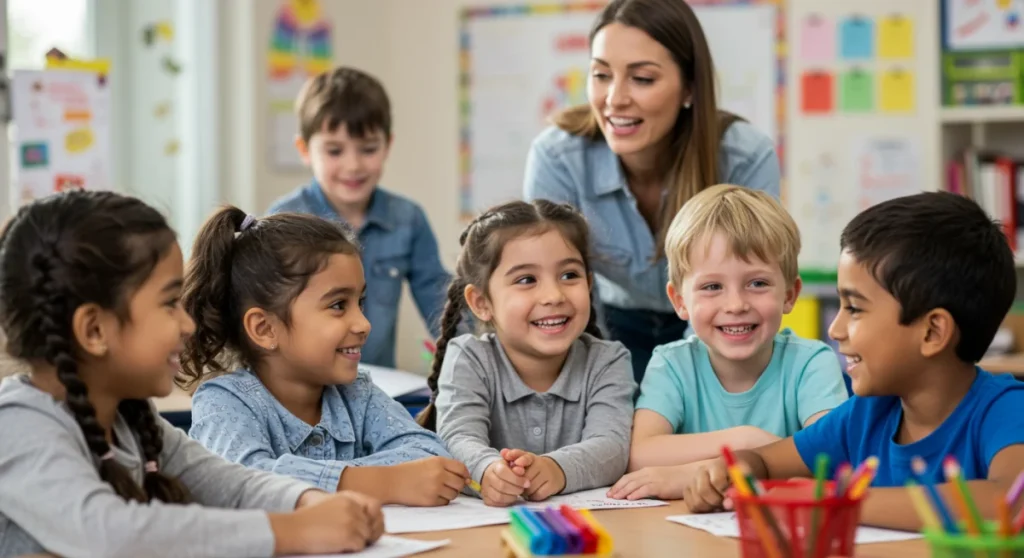
By 2025, US elementary schools are set to significantly integrate Social-Emotional Learning (SEL) into their curricula, emphasizing skills like self-awareness, empathy, and responsible decision-making to foster well-rounded students.
The landscape of education in the United States is continuously evolving, with a growing recognition of the importance of nurturing not just academic prowess but also emotional intelligence. The Latest Trends: Incorporating Social-Emotional Learning into US Elementary Schools by 2025 highlight a pivotal shift towards a more holistic educational approach, acknowledging that a child’s emotional and social development is as crucial as their cognitive growth for future success.
The Foundational Shift Towards SEL Integration
The movement to integrate Social-Emotional Learning (SEL) into elementary school curricula represents a fundamental change in educational philosophy. This shift acknowledges that traditional academic instruction alone is insufficient for preparing students for the complexities of modern life. Educators and policymakers increasingly recognize that SEL provides children with critical life skills that extend far beyond the classroom, impacting their personal relationships, mental well-being, and future career prospects.
This foundational shift is driven by a growing body of research demonstrating the positive impact of SEL on academic performance, behavior, and overall student well-being. Schools are moving away from viewing SEL as an add-on program and towards embedding it within the very fabric of daily school life. This includes not only direct instruction but also creating a supportive school culture where social-emotional competencies are modeled and reinforced by all adults.
Defining Social-Emotional Learning in Elementary Contexts
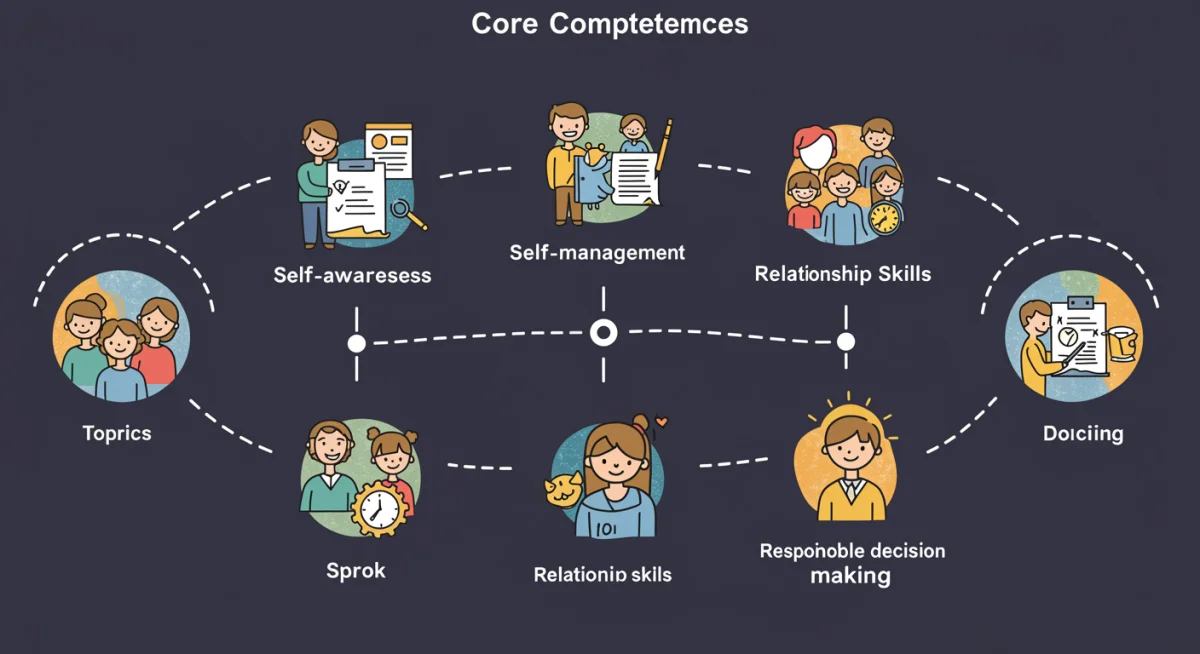
Social-Emotional Learning, as defined by organizations like CASEL (Collaborative for Academic, Social, and Emotional Learning), encompasses five core competencies. These competencies provide a framework for understanding and developing the skills necessary for success in school and beyond. For elementary students, these are introduced in age-appropriate ways, often through storytelling, role-playing, and cooperative activities.
- Self-awareness: Recognizing one’s emotions, thoughts, and values, and how they influence behavior.
- Self-management: Regulating one’s emotions, thoughts, and behaviors effectively in different situations.
- Social awareness: Understanding the perspectives of others and empathizing with individuals from diverse backgrounds.
- Relationship skills: Establishing and maintaining healthy and rewarding relationships with diverse individuals and groups.
- Responsible decision-making: Making constructive choices about personal behavior and social interactions based on ethical standards, safety concerns, and social norms.
The early introduction of these skills in elementary school is vital. It lays the groundwork for children to develop a strong sense of self, build positive relationships, and navigate challenges effectively as they grow. Ultimately, the goal is to cultivate resilient, empathetic, and responsible citizens.
Curriculum Development and Implementation Strategies
Developing and implementing effective SEL curricula in elementary schools requires careful planning and a multifaceted approach. It’s not enough to simply adopt a program; schools must consider how SEL will be integrated into existing subjects, daily routines, and school culture. The most successful implementations involve a whole-school approach, where SEL is a shared responsibility among all staff members.
Many districts are now prioritizing evidence-based SEL programs that have demonstrated positive outcomes. These programs often provide structured lessons and activities designed to teach specific social-emotional skills. However, successful integration goes beyond scheduled lessons, extending into every interaction within the school environment.
Integrating SEL into Core Subjects
One of the most effective strategies for incorporating SEL is to embed it directly within core academic subjects. This approach helps students see the relevance of social-emotional skills in real-world contexts and reinforces learning across disciplines. For example, reading comprehension can be enhanced by discussing characters’ emotions and motivations, while group projects in science can foster collaboration and conflict resolution.
- Language Arts: Analyzing character emotions, understanding diverse perspectives in literature, and practicing empathetic communication.
- Mathematics: Developing perseverance through problem-solving, managing frustration, and collaborating on group assignments.
- Science: Working effectively in teams for experiments, respecting different ideas, and practicing responsible inquiry.
- Social Studies: Understanding historical events through the lens of human emotions and motivations, and learning about diverse cultures.
By weaving SEL into the daily curriculum, educators can create a more engaging and meaningful learning experience. It helps students connect academic content with their personal and social development, making learning more relevant and impactful.
Teacher Training and Professional Development
The success of any SEL initiative hinges significantly on the preparedness and commitment of educators. Teachers are at the forefront of implementing SEL, and without adequate training and ongoing support, even the most well-designed programs can falter. Professional development in SEL goes beyond simply understanding the concepts; it involves equipping teachers with practical strategies, fostering their own social-emotional competencies, and creating a supportive learning community.
Many elementary schools are investing heavily in comprehensive professional development programs for their staff. These programs often include workshops on specific SEL competencies, strategies for classroom management that promote emotional regulation, and techniques for creating a positive and inclusive classroom climate. The goal is to empower teachers to not only teach SEL but to embody it in their daily interactions with students.
Building Teacher Capacity for SEL Instruction
Effective teacher training for SEL focuses on several key areas. Firstly, it ensures teachers have a deep understanding of what SEL is and why it’s important. Secondly, it provides them with practical tools and techniques for integrating SEL into their daily teaching practices. Finally, it addresses the teachers’ own social-emotional well-being, recognizing that they cannot effectively teach what they do not possess themselves.
- Understanding SEL frameworks: Deep dives into models like CASEL’s five competencies.
- Classroom management techniques: Strategies that promote positive behavior and emotional regulation.
- Mindfulness and self-care for educators: Supporting teacher well-being to prevent burnout.
- Culturally responsive SEL: Adapting SEL instruction to meet the diverse needs of all students.
Ongoing professional development, coupled with opportunities for peer collaboration and coaching, ensures that teachers feel confident and supported in their role as SEL facilitators. This investment in human capital is crucial for the sustained success of SEL integration.
Assessing SEL Outcomes and Impact
As SEL becomes more deeply embedded in elementary education, there is an increasing need to effectively assess its outcomes and measure its impact. Unlike academic subjects, where progress can often be quantified through standardized tests, assessing social-emotional skills requires a more nuanced and multifaceted approach. The goal is not to grade students on their emotional intelligence but to understand the effectiveness of SEL programs and identify areas for improvement.
Current trends indicate a move towards a combination of direct and indirect assessment methods. This includes student self-reports, teacher observations, peer feedback, and analysis of behavioral data. The focus is on gathering qualitative and quantitative data that paints a comprehensive picture of students’ social-emotional development and the overall school climate.
Methods for Measuring SEL Progress
Measuring SEL progress in elementary students involves a variety of tools and strategies. It’s important to use methods that are age-appropriate, reliable, and valid. The aim is to provide actionable insights that can inform instructional practices and program adjustments.
- Student self-assessments: Surveys or journals where students reflect on their own emotions and social skills.
- Teacher observation rubrics: Structured tools for teachers to document students’ social-emotional behaviors in the classroom.
- Peer feedback activities: Opportunities for students to provide constructive feedback to one another on social skills.
- Behavioral incident data: Analyzing trends in disciplinary actions, attendance, and positive interactions.
The data collected from these assessments can help schools understand where students are excelling and where additional support might be needed. It also provides valuable evidence to stakeholders about the positive impact of SEL initiatives. The focus remains on growth and development, rather than punitive evaluation.
Ultimately, the aim of SEL assessment is to ensure that programs are meeting their objectives and contributing to the holistic development of every child.
Parental Engagement and Community Partnerships
The success of Social-Emotional Learning in elementary schools extends beyond the classroom walls and into the home and wider community. Parental engagement and strong community partnerships are vital for reinforcing SEL concepts and ensuring a consistent message for children. When parents and caregivers are actively involved and understand the importance of SEL, they can support their children’s development by modeling these skills and creating a nurturing home environment.
Schools are increasingly recognizing the need to educate parents about SEL and provide them with resources and strategies to support their children’s social-emotional growth at home. This collaborative approach creates a powerful ecosystem of support that significantly enhances the effectiveness of school-based SEL initiatives.
Fostering a Collaborative SEL Ecosystem
Building a collaborative SEL ecosystem involves proactive efforts from schools to reach out to families and community organizations. This might include workshops for parents, newsletters sharing SEL tips, and partnerships with local youth groups or mental health services. The goal is to create a seamless experience where SEL is valued and practiced across all aspects of a child’s life.
- Parent workshops: Educating parents on SEL concepts and practical strategies for home.
- Communication channels: Regular updates and resources shared through newsletters, websites, and social media.
- Family activities: Events that promote social-emotional skills and family bonding.
- Community collaborations: Partnering with local organizations to provide additional support and resources.
When parents and communities are engaged, they become powerful allies in the effort to nurture emotionally intelligent and well-adjusted children. This collective effort ensures that the benefits of SEL are sustained and amplified beyond the school day.
Addressing Challenges and Future Outlook
While the integration of Social-Emotional Learning into US elementary schools by 2025 presents immense opportunities, it also comes with its share of challenges. These include securing adequate funding, ensuring consistent implementation across diverse school districts, and addressing potential resistance from stakeholders who may prioritize traditional academic metrics. Overcoming these hurdles requires strategic planning, ongoing advocacy, and a commitment to long-term vision.
Despite these challenges, the future outlook for SEL in elementary education remains overwhelmingly positive. The growing body of research, coupled with increasing awareness among parents and educators, suggests that SEL is not a passing fad but a fundamental component of a comprehensive education. The focus will continue to be on refining best practices, expanding access, and ensuring equitable implementation for all students.
Sustaining Momentum and Ensuring Equity
To sustain the momentum of SEL integration, schools and districts must prioritize ongoing funding, provide continuous professional development, and foster a culture of continuous improvement. Ensuring equity in SEL access is also paramount, as students from marginalized communities often stand to benefit the most from explicit social-emotional instruction and support.
- Securing sustainable funding: Advocating for dedicated resources at local, state, and federal levels.
- Continuous professional learning: Providing ongoing training and support for all school staff.
- Data-driven decision-making: Using assessment data to refine programs and address disparities.
- Advocacy and awareness: Promoting the long-term benefits of SEL to all stakeholders.
The journey towards fully realizing the potential of SEL in US elementary schools is ongoing, but the commitment to fostering well-rounded, resilient, and empathetic young people is stronger than ever. The trends point towards a future where SEL is not just integrated but deeply ingrained in the educational experience.
| Key Aspect | Brief Description |
|---|---|
| Core Competencies | Focus on self-awareness, self-management, social awareness, relationship skills, and responsible decision-making. |
| Integration Strategies | Embedding SEL into academic subjects, daily routines, and school culture. |
| Teacher Development | Comprehensive training and ongoing support for educators in SEL instruction. |
| Parental Engagement | Active involvement of families and community partners to reinforce SEL at home. |
Frequently Asked Questions about SEL in Elementary Schools
SEL is a process for developing the self-awareness, self-control, and interpersonal skills vital for school, work, and life success. It helps children understand and manage emotions, set positive goals, feel and show empathy, establish positive relationships, and make responsible decisions.
SEL is gaining prominence due to research showing its positive impact on academic performance, mental health, and reducing behavioral issues. It equips young students with essential life skills needed to navigate challenges and build healthy relationships, preparing them for a complex future.
Integration occurs through dedicated SEL lessons, embedding skills into core academic subjects like reading and math, and fostering a supportive school-wide culture. It involves explicit teaching, modeling social-emotional behaviors, and providing opportunities for practice throughout the school day.
Teachers are crucial for SEL success. They receive professional development to understand SEL competencies, learn effective teaching strategies, and model social-emotional skills. Their ability to create a positive classroom environment directly influences student engagement and development in SEL.
Parents can support SEL by discussing emotions with their children, modeling empathy, encouraging problem-solving, and fostering positive relationships. Engaging with school SEL initiatives, attending workshops, and reinforcing school lessons at home also significantly contribute to a child’s social-emotional growth.
Conclusion
The movement towards incorporating Social-Emotional Learning into US elementary schools by 2025 signifies a profound and necessary evolution in education. By prioritizing the development of self-awareness, empathy, and responsible decision-making alongside traditional academics, schools are preparing children not just for tests, but for life. This holistic approach, supported by robust teacher training, thoughtful curriculum integration, and strong home-school partnerships, promises to cultivate a generation of resilient, compassionate, and capable individuals ready to contribute positively to society. The future of elementary education in the US is undeniably social and emotional.
Autor